Fashion has always been about more than clothing. The pieces worn closest to the body—a ring, a bracelet, a brooch, a necklace, or a watch—often say as much about personal taste as a dress, suit, or coat. In an era shaped by fast trends and constant visual repetition, jewelry and watches are gaining renewed importance because they offer something more individual: character, craftsmanship, history, and permanence.
For many style-conscious buyers, accessories are no longer secondary details. They are becoming the center of the look. A sculptural gold bracelet can define a minimalist outfit. A vintage brooch can transform a tailored blazer. A rare watch can bring quiet authority to a simple sleeve. These objects do not merely complete an ensemble; they give it personality.
This renewed interest reflects a broader shift in luxury fashion. The most compelling pieces today are not always the newest or the most visible. Increasingly, they are the pieces with substance—objects chosen for their design, material, rarity, condition, and ability to express something personal. Jewelry and watches sit naturally within this movement because they combine beauty with meaning, and style with longevity.
The Return of Accessories With Character
Modern fashion has made room for accessories that feel distinctive rather than predictable. While minimalism still has its place, many of today’s strongest looks rely on one memorable object: a bold ring, a pair of sculptural earrings, a signed bracelet, a vintage pendant, or a precious-metal watch.
This is especially true in cities where personal style is closely connected to individuality. In New York, Paris, London, Milan, and other fashion capitals, the most interesting looks often come from contrast. A nineteenth-century jewel worn with contemporary tailoring, a mid-century gold bracelet paired with a clean black dress, or a rare watch styled with casual clothing can feel more compelling than a perfectly matched new set.
Jewelry and watches also offer a way to move beyond seasonal dressing. A beautiful accessory can be worn across years, wardrobes, and occasions. It may adapt to changing fashion, but it does not depend on trend alone. That quality gives it a different kind of value — one rooted in personal use, design strength, and emotional connection.
Why Jewelry Feels Personal Again
Jewelry has always carried symbolism. Rings can suggest commitment, inheritance, or identity. Brooches can signal wit, taste, or historical awareness. Necklaces and bracelets often sit at the intersection of ornament and memory. Even when a piece is chosen simply for beauty, it can become personal through the way it is worn.
This is one reason antique, vintage, and signed jewelry continue to attract attention. These pieces often carry a visible sense of time. Their proportions, handwork, materials, and design language reflect the period in which they were made. A Victorian ring, an Art Nouveau brooch, an Art Deco bracelet, or a mid-century gold necklace may introduce a layer of history into a modern wardrobe.
Auction houses continue to present jewelry across many periods and categories, from antique pieces to signed jewels and contemporary designs. Sotheby’s, for example, describes its jewelry auctions as offering collectors access to jewels “across every style and era,” with sales held in major cities including New York, Geneva, Hong Kong, London, Paris, and Milan. This global activity reflects the continued interest in jewelry not only as adornment, but also as design, collecting, and cultural expression. Sotheby’s Jewelry Auctions
Watches as Part of the Jewelry Conversation
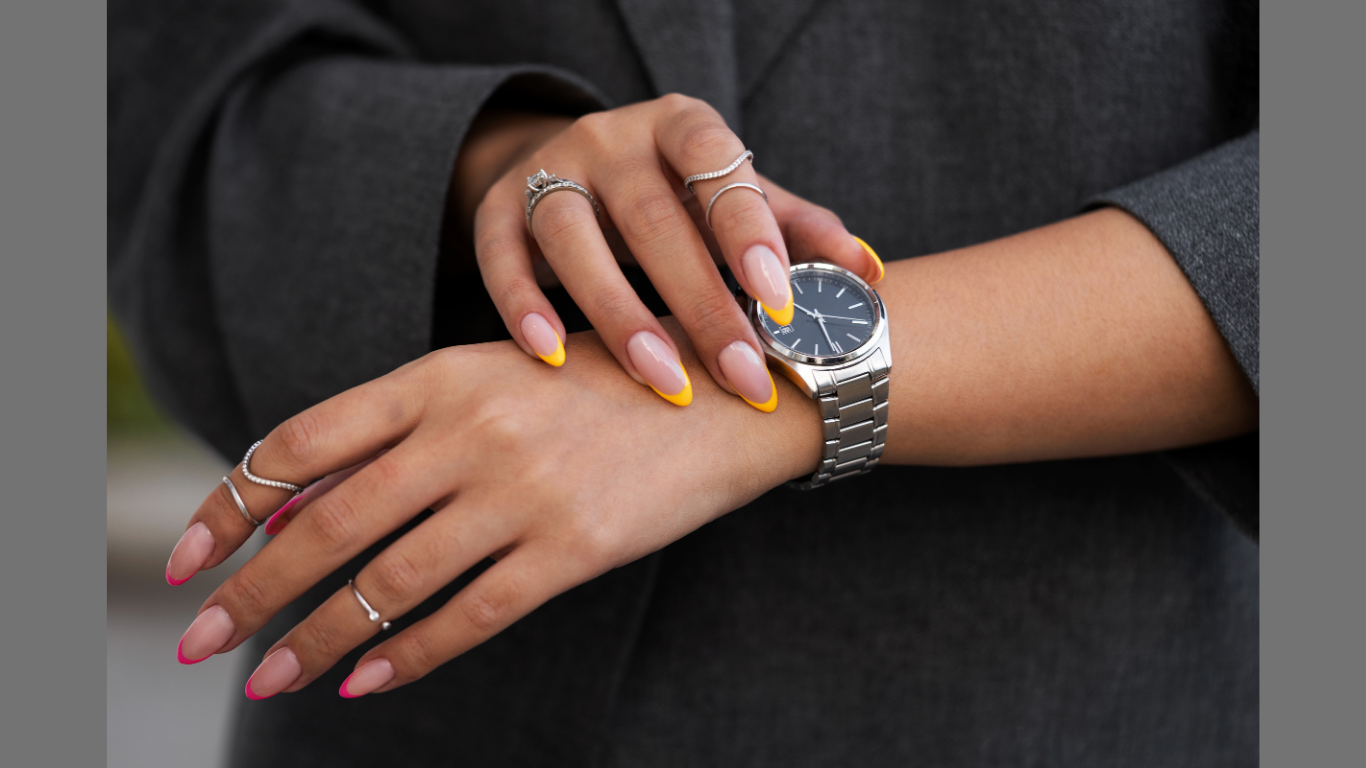
Watches occupy a special position in fashion because they are both functional and decorative. A watch tells time, but it also sits on the wrist like a bracelet. Its case, dial, bracelet, material, and proportions all contribute to the way it interacts with clothing and with the body.
For decades, watches were often discussed mainly through the language of mechanics, precision, and performance. Those qualities still matter, especially to collectors. But in fashion, watches are increasingly understood as style objects. A steel sports watch can add ease to formal clothing. A gold watch can bring warmth and presence. A platinum watch can offer a cooler, more restrained expression of luxury.
This is why collector watches have entered the same conversation as fine jewelry. They are chosen not only for utility, but also for identity. The right watch can become part of a person’s visual signature, worn daily or reserved for certain moments. Like jewelry, it can carry memory, status, taste, and emotion.
Rarity, Condition, and the Collector Mindset
The collector mindset has become more visible in fashion. People are increasingly interested in objects that cannot be easily replaced: a rare signed jewel, an unusual brooch, a well-preserved bracelet, a vintage watch, or a precious-metal timepiece with distinctive design.
Condition is especially important. In both jewelry and watches, collectors often look closely at originality, preservation, craftsmanship, materials, and provenance. A piece does not need to be loud to be significant. Sometimes the most desirable objects are the ones that reveal their quality quietly, through proportion, finish, rarity, and historical context.
This approach explains the continuing strength of the watch auction market as well. Christie’s notes that its watch auctions feature major names in watchmaking, including Rolex, Patek Philippe, Breguet, and Vacheron Constantin, and that its sales include both vintage and contemporary timepieces. The presence of watches in major international auctions reinforces their position not only as functional objects, but also as collectible design pieces. Christie’s Watches and Wristwatches
The Quiet Luxury of Precious Materials
The current interest in “quiet luxury” has also changed the way jewelry and watches are worn. The strongest pieces are not always the most obvious. A simple gold cuff, a diamond brooch, a signed bracelet, or a platinum watch can communicate refinement without excess.
Precious metals play a key role in this effect. Gold brings warmth and tradition. Silver and white gold can feel crisp and modern. Platinum has a particular appeal because of its density, rarity, and subtle tone. It is luxurious, but not always immediately flashy. That makes it especially interesting for collectors who prefer discretion over display.
This is where a precious-metal watch can work almost like a jewel. It adds weight, finish, and refinement to the wrist while remaining practical enough to wear. A platinum Rolex, for example, can be understood not only as a timepiece, but also as a style object — one that combines material presence, recognizable design, and collector appeal.
A current example of this idea is a platinum Rolex available through DSF Antique Jewelry. In a fashion context, a watch like this illustrates how a rare timepiece moves beyond function to become part of a personal style language. Its appeal lies not only in the name on the dial, but in the combination of material, design, condition, wearability, and restraint.
How Jewelry and Watches Shape Modern Style
The most effective accessories often create contrast. A vintage jewel can soften a sharply tailored look. A structured watch can add precision to relaxed clothing. A brooch can bring individuality to a classic coat. A ring or bracelet can introduce texture, color, or history into a simple outfit.
This flexibility is one reason jewelry and watches remain so powerful in fashion. They can be styled formally or casually, worn alone or layered, treated as heirlooms or as everyday signatures. Unlike many trend-driven accessories, they can gain meaning over time.
For women, watches and jewelry increasingly overlap. A watch can be worn like a bracelet, layered with bangles or paired with rings and earrings. For men, jewelry and watches have become important tools of personal expression, especially as style has moved beyond rigid definitions of formality. Across both categories, the strongest pieces are those that feel intentional.
Beyond Ornament: Accessories With Meaning
The renewed attention to jewelry and watches suggests a deeper change in luxury. Many buyers are no longer interested only in surface beauty. They want objects with design value, material quality, history, scarcity, and a reason to be kept.
This does not mean that every accessory must be rare or expensive. Rather, it means that the most meaningful pieces are chosen with care. A jewel or watch becomes important when it reflects the wearer’s taste, values, memory, or sense of identity. It may be inherited, collected, discovered, or selected as a personal milestone.
In this way, jewelry and watches are becoming modern style signatures because they do what fashion does at its best: they tell a story without needing to explain it. They bring individuality to the body. They connect past and present. They turn an outfit into something personal.
As fashion continues to move between speed and permanence, trend and individuality, jewelry and watches offer a rare balance. They can be beautiful, useful, collectible, and deeply personal at the same time. That is why they remain among the most powerful accessories in modern style.
Article received via email