An offshore drilling platform is one of the most intense and high-risk work environments out there. These massive structures function like self-contained industrial cities, often hundreds of miles from shore. Inside, teams work around heavy machinery and high-pressure systems where even a small mistake can have serious consequences.
When a serious injury happens, the legal side can get just as complicated as the work itself. These cases aren’t straightforward. They involve technical details, specific job roles, and a clear chain of command that isn’t always easy to untangle. Without understanding how things actually operate on the platform, it’s hard to get a full picture of what went wrong.
Figuring out what happened usually means taking a close look at the equipment, the procedures that were supposed to be followed, and where things broke down. Understanding how offshore drilling works is often the starting point. From there, it becomes possible to identify who is responsible and make sure the injured worker’s rights are properly protected under maritime law.
Analyzing Drill Floor Dynamics and Tripping Pipe
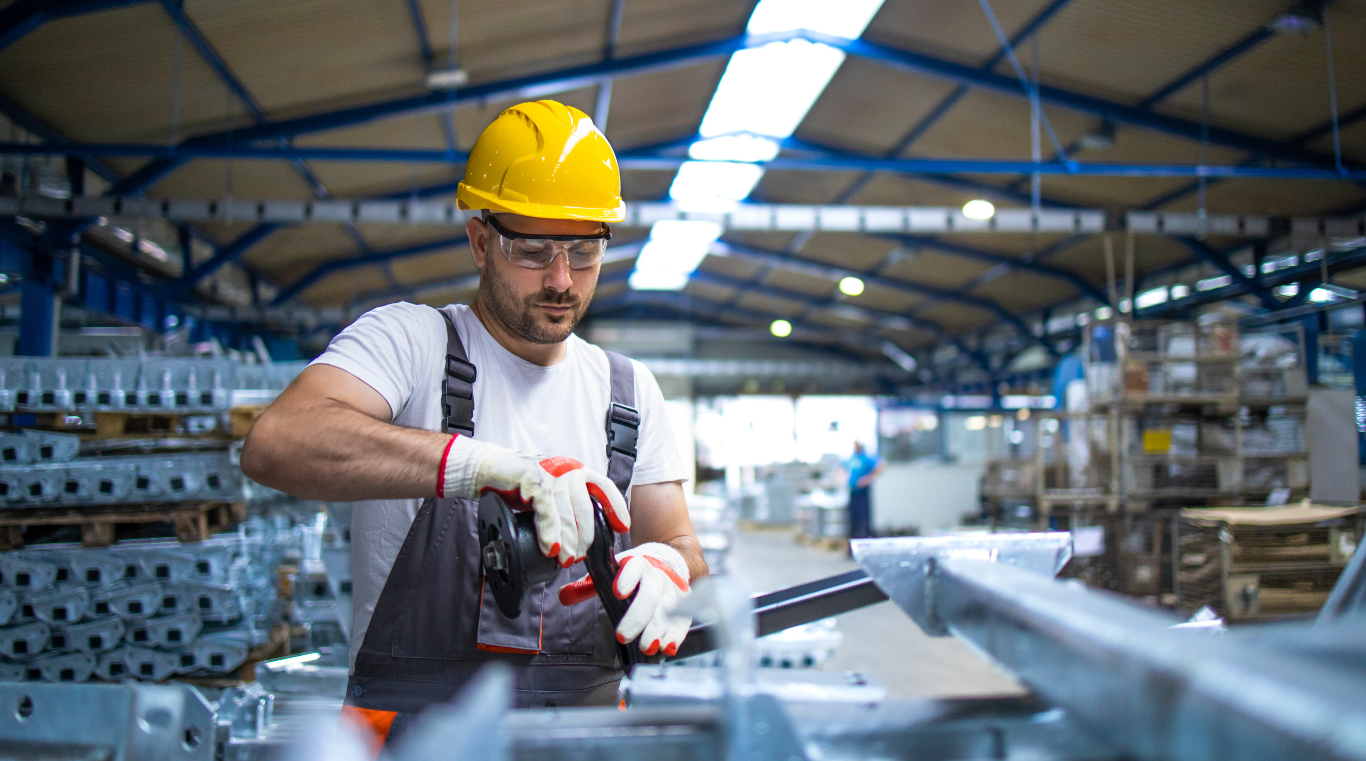
The drill floor is the heart of the operation, a high-activity zone where heavy equipment is handled with rhythmic precision. One of the most physically demanding and dangerous tasks performed here is “tripping pipe,” which involves pulling thousands of feet of drill string out of the wellbore or pushing it back in. This operation requires total synchronization between the driller at the controls and the personnel handling the heavy steel on the floor.
During this process, the specific roles of the driller, the derrickhand, and the roughnecks are clearly defined by industrial tradition and safety manuals. The derrickhand works high above the floor on the “monkeyboard,” while the roughnecks manage the heavy slips and tongs at the wellhead. A single breakdown in communication or a mechanical slip can lead to a crush injury or a fall that changes a worker’s life forever.
Proving negligence in these scenarios requires an attorney to recreate the exact sequence of events during the pipe movement. They must identify if the driller moved too fast or if a piece of equipment, such as an elevator or a top drive, was improperly maintained. Understanding these floor dynamics is essential for substantiating a claim of operational error or equipment failure during the high-stakes journey of the drill string.
The Pressure Control System and BOP Failures
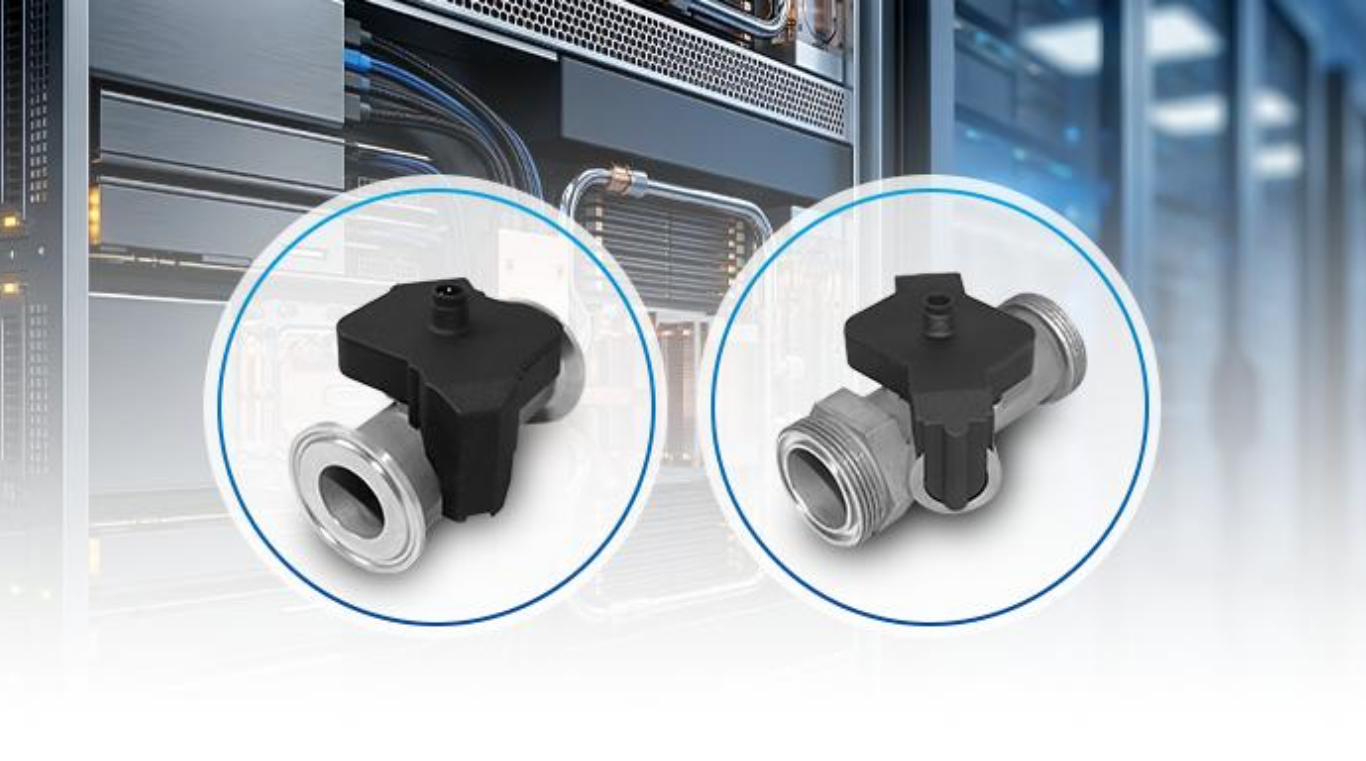
Pressure management is the primary concern for any offshore crew, as they are essentially tapping into a volatile and compressed reservoir deep beneath the seabed. The Blowout Preventer, or BOP, serves as the ultimate safety valve, designed to seal the well and prevent an uncontrolled release of fluids or gas. It is a massive assembly of valves and rams that must function perfectly in an emergency to prevent a disaster.
When a blowout occurs, it is rarely a random event; it is almost always the sign of a systemic failure in inspection or maintenance. If the seals on the BOP are worn or if the hydraulic control systems are bypassed to save time, the safety net for the crew is removed. Investigating these failures requires a technical review of the maintenance logs to see if the equipment was truly “certified for use.”
Systemic negligence is often revealed when a company prioritizes the speed of the drilling process over the integrity of the pressure control system. A failure to perform a scheduled pressure test or a lack of redundant sensors is a direct violation of professional standards. Securing evidence of these shortcuts is vital for proving that the incident was a predictable and preventable consequence of a corporate culture that ignored risk.
Maritime Expert Testimony and Bridging the Knowledge Gap
Summarizing the litigation process reveals why “Maritime Expert Testimony” is essential for a successful outcome in a rig accident case. To a jury of twelve citizens, the industrial processes of an offshore platform are incredibly confusing and difficult to visualize. An expert witness bridges this gap by translating the complex mechanics of the floor into a narrative that any person can understand and respect.
These experts can testify about the industry standards for safety and how the defendant failed to meet those professional benchmarks. They use models, animations, and diagrams to show exactly how the failure occurred and why the injury was preventable with proper care. This authoritative voice provides the credibility needed to overcome the defense’s technical excuses during a trial or a high-stakes mediation.
Ultimately, the goal is to provide a clear and undeniable map of the negligence that caused the trauma to the maritime worker. By understanding the rig operations from the top down, an attorney can secure the resources needed for a full and healthy recovery. Reclaiming your peace of mind starts with a commitment to the facts and a professional approach to the science of the offshore mission.
Article received via email
To learn more about news related to safety in the workplace, click on the links below.
How Regular Safety Checks Protect Your Business from Electrical Hazards