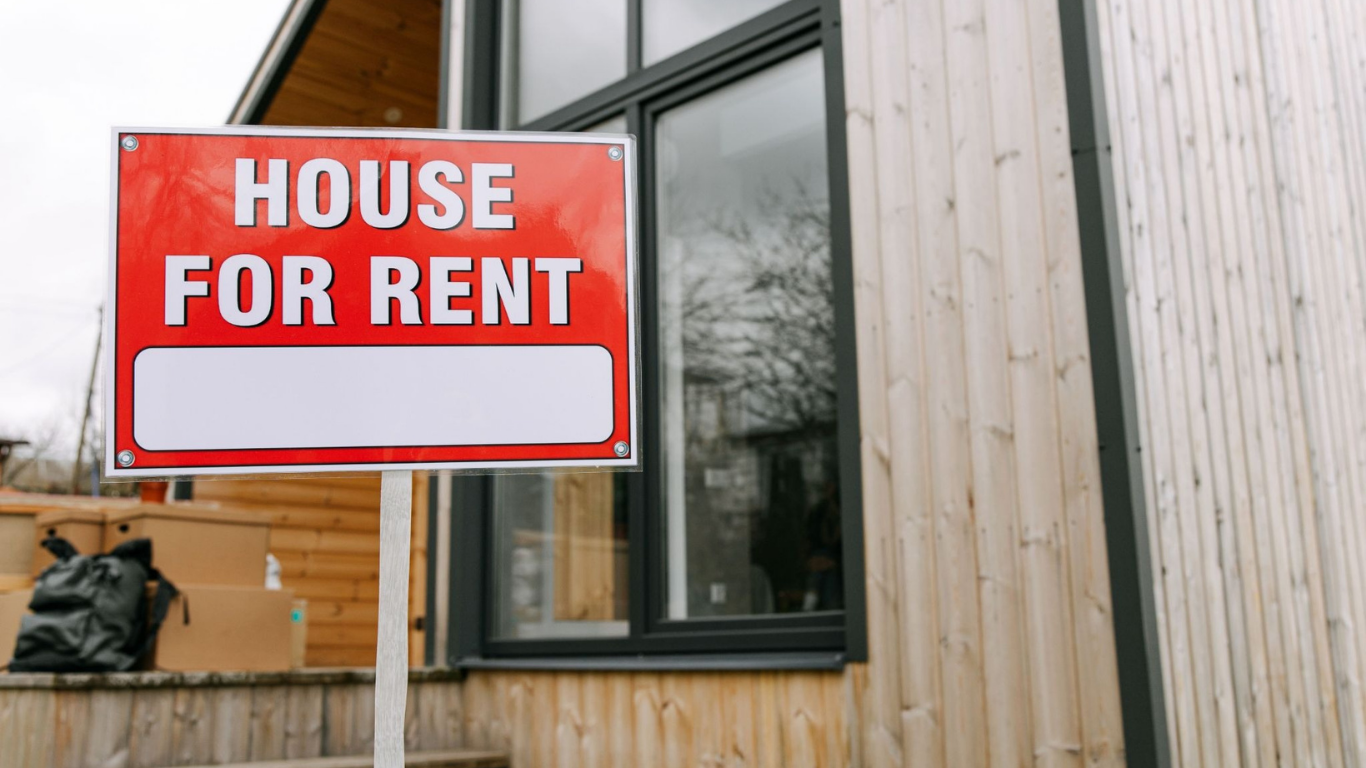
Property management can be quite a challenge. Ensuring that you are doing everything right is not easy. Every successful landlord knows that positive results can be achieved only when one can satisfy property investors and tenants, find an effective way to protect the investment, and ensure long-term profitability.
Property management requires a good strategy, and with proper education on which methods and steps are most effective, rental property can become a significantly rewarding path towards financial independence.
Here are 7 global property management rules for landlords that make a difference.
Understand Local Laws
To become a landlord who successfully manages their properties, the first and probably most important thing is understanding local laws. What may be legal in one location can be illegal in another. Every landlord should be properly informed on tenant rights, eviction procedures, fair housing requirements, etc.
Dedicated property specialists from Aurora Property in Brisbane help landlords understand local laws better by giving them valuable insights and practical solutions that improve property performance and tenant satisfaction.
Understanding local laws is essential because without them, landlords may have to deal with penalties, legal disputes, or reputational damage.
Selecting Reliable Tenants
- Check your tenant’s employment status and income sources. Make sure they have a stable income.
- If it’s legally allowed in a certain location, always have insight into financial records and review credit reports.
- Use the same screening for all applicants to maintain fairness and consistency.
- Pay attention to how the potential tenant communicates. Incomplete answers, gaps in rental history, or a decline to provide certain documentation can be warning signs.
- Positive rental history is always a big quality for potential tenants. Ask previous landlords about information like whether the rent was paid on time or the property was properly maintained.
Form a Price Logically, Not Emotionally
The price you form should be based on pure logic, not based on your needs or emotions. An unfair rental price is one of the most common mistakes that leads to failures. A really low price can lead to significant financial losses, while unrealistically high prices can lead to a struggle to find tenants and rushed decisions to fill the property.

When forming a price, make sure to include factors such as location, condition of the property, amenities, and current demand. Based on these factors, you can easily create a realistic and fair price that will ensure a stable income.
Document The Whole Process
The contract you make should be detailed, precise, and thoughtful. Yet it shouldn’t be your only source of documentation. Before you find a fitting tenant, make sure to take dated photos of the condition of the property. This is an effective way of documenting the condition of the property and protecting both your rights and your tenants’ rights.
Unclear contracts often lead to misunderstandings and unnecessary conflicts, which is why every landlord needs to take time to create a clear and understandable contract that is easy to understand.
Have an Open Communication
Open communication is halfway to the success of property management. Make sure that the communication with your tenants is open, clear, professional, and kind. Tenants appreciate landlords who explain everything clearly and quickly reply to their questions.
Open communication leads to trust, and when your tenants trust you, they will be able to freely report any kind of problem or malfunction on the property before it escalates.
Respond To Maintenance Requests Fast
When a tenant notifies you about some kind of malfunction on the property, it is very important to react as fast as possible. Even a minor leak that is ignored for a long time can result in an expensive repair and negative consequences for both the tenants and the landlord.
Landlords need to build reserves for the unexpected. For example, you can keep at least one to three months of rent in reserve specifically for property-related expenses.
Proper Financial Organization
For every successful landlord, proper financial organization should be a priority. This is where clear and precise documentation makes a difference. With clear documentation, landlords can have a clear insight into maintenance expenses, insurance costs, and other property-related transactions and organize their finances more effectively.
Consistent and disciplined financial management can prevent landlords from making impulsive and costly decisions in the future.
Property management should be treated as some kind of business. Every business requires a good strategy, consistency, and commitment to succeed. Becoming a successful landlord is never about being perfect but being prepared, consistent, ambitious, and most importantly, fair to the tenants. By following these seven global property management rules, you will successfully create a foundation for sustainable success in this field.
Article received via email