When you turn on a light, charge your phone, power a computer, or run a household appliance, you expect electricity to be instantly available without interruption. That expectation of reliability is something most people rarely question. Regional grids must deliver electricity reliably even when demand spikes suddenly, weather conditions shift rapidly, or equipment failures occur unexpectedly.
What Is a Power Transformer?
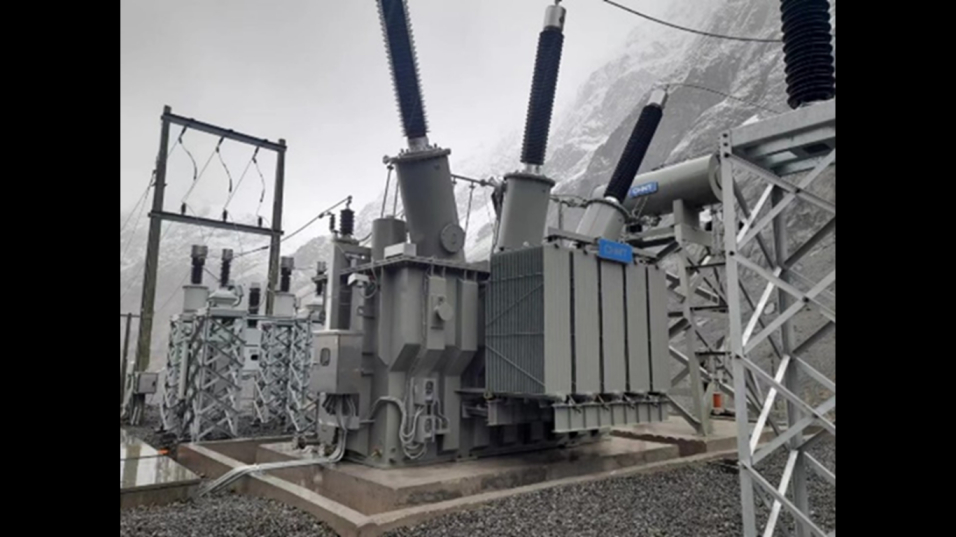
A power transformer is a stationary electrical device that transfers electrical energy between circuits through the principle of electromagnetic induction. Its primary function is to increase (step up) or decrease (step down) voltage levels while maintaining the same alternating current (AC) frequency. This voltage transformation is essential for enabling efficient power transmission and safe distribution.
In a regional grid, transformers act like voltage “gatekeepers.” Electricity must pass through multiple voltage levels as it moves from power plants to end users. At the generation stage, voltage is relatively moderate. For long-distance transmission, voltage must be increased significantly to minimize losses. Before electricity reaches homes or businesses, voltage must be reduced again to safe, usable levels. Transformers manage each of these transitions smoothly and efficiently.
How Power Transformers Enable Long-Distance Transmission
Electricity generation facilities are often located far from population centers. Hydroelectric dams may be in mountainous areas, wind farms in remote plains, solar farms in desert regions, and thermal power plants near fuel sources.
Key benefits of high-voltage transmission include:
- Lower energy losses over long distances
- Reduced strain on transmission infrastructure
- Improved overall grid efficiency
- Enhanced economic viability of remote generation
Without transformers performing these voltage conversions, long-distance electricity transmission would be inefficient, costly, and technically impractical.
How a Power Transformer Works
A transformer operates through the principle of electromagnetic induction, a fundamental concept in electrical engineering. When alternating current flows through the primary winding of a transformer, it produces a changing magnetic field within the transformer’s core. This varying magnetic field induces voltage in the secondary winding, generating output electricity at a different voltage level.
The magnitude of voltage change depends on the ratio of coil turns between the primary and secondary windings. If the secondary winding contains more turns than the primary, the transformer increases voltage (step-up transformer). If the secondary has fewer turns, it decreases voltage (step-down transformer).
Reducing Fault Risks and Limiting Power Disruptions
Power systems are exposed to numerous potential faults, including lightning strikes, short circuits, insulation degradation, equipment failures, and environmental damage. When faults occur, the grid must respond quickly to isolate the issue and prevent widespread outages.
Transformers are designed to withstand significant electrical stress and operate in coordination with protective devices such as circuit breakers and protective relays. They help establish electrical boundaries within the grid, limiting how disturbances propagate through the network.
Transformer Cooling and Insulation: Why It Matters
Transformers generate substantial heat during operation due to electrical losses in windings and magnetic cores. If not properly managed, excessive heat can degrade insulation materials, reduce efficiency, and shorten service life.
Common design priorities include:
- Thermal stability under heavy loads
- Low partial discharge levels
- Durable insulation performance over time
- Resistance to environmental stress
Maintaining insulation integrity is particularly important in regional grids, where transformer replacement is expensive and logistically complex. Long-term reliability depends heavily on proper cooling and insulation design.
Key Factors Utilities Consider When Selecting Transformers
Choosing the right transformer involves more than selecting an appropriate size. Utilities evaluate multiple technical and operational criteria to ensure reliability, safety, and long-term efficiency.
Below are key considerations often evaluated:
- Voltage rating to match transmission and distribution requirements
- Load capacity for peak demand periods
- Efficiency to reduce long-term operating losses
- Cooling system performance to prevent overheating
- Short-circuit strength to withstand grid faults
- Environmental compatibility and site conditions
Even minor design differences can influence long-term performance. Manufacturers such as CHINT develop high-voltage and transmission-level transformer solutions aligned with international standards, reflecting how engineering innovation supports modern grid demands.
Power Transformer vs Distribution Transformer
| Feature | Power Transformer | Distribution Transformer |
| Typical Location | Transmission substations | Local neighborhoods and feeders |
| Voltage Level | High and extra-high voltage | Medium to low voltage |
| Main Purpose | Grid transmission and stability | Deliver usable electricity to end users |
| Load Pattern | Often near full load | Variable depending on local demand |
| Importance to Regional Grid | Supports large-scale voltage control | Supports final delivery to customers |
This distinction is important because large transmission-level transformers are critical for regional stability, handling bulk power transfer and maintaining system-wide voltage regulation.
Conclusion
Stable electricity is not guaranteed simply because power is generated. It requires a carefully managed system that regulates voltage, balances load, coordinates protection, and responds to disturbances in real time. The power transformer is one of the most essential tools enabling this stability.
Article received via email