

I spent a week in the Pilbara when the thermometer hit 48°C. The undersized AC in our rental van ran flat out, tripped the generator twice, and never cooled the cabin below 30°C. The couple parked next to us slept comfortably with a properly sized inverter unit on the same 2.2 kVA Honda.
That difference was not luck. They matched four numbers before buying: cooling capacity to climate, fitment to the roof opening, running watts to the power source, and installed weight to the roof structure.
A reliable result starts with sizing, power, and compliance checks.
If you are shortlisting Australian-ready units and want quick spec filtering by cooling capacity and fitment, browsing Caravan Aircons online from Outback Safe Track is a quick way to compare rooftop and under-bunk options for 360 or 400 mm roof openings and 15A site supplies.
Capacity Sizing Method
Size for the hottest conditions you expect, not the average weekend.
Base estimates by van length: 14-16 ft insulated vans suit roughly 2.0-2.6 kW, 17-20 ft vans need 2.6-3.1 kW, and 21-23 ft or poorly insulated shells need 3.1-3.5 kW. Rate your van for the toughest climate zone on your route, not the coolest stop. This gives you a practical shortlist for real-world Australian travel and site-power planning before you find quality Caravan Aircons online and compare rooftop or under-bunk models.
Add 15-25% for hot, humid tropical zones and 10-20% for arid outback peaks. Heatwaves now reach 50.7°C, recorded in Onslow, WA, on 13 January 2022.
Subtract 10-15% if you use reflective awnings and thermal curtains. Windows can drive up to 87% of summer heat gain, so shading is the cheapest way to cut load. A 12 V ceiling fan can feel like a 3°C lower setpoint and reduce compressor strain.
Use the Zoned Energy Rating Label, or ZERL, to compare efficiency and noise across hot, average, and cold zones.
AC Types Compared
Rooftop units suit most caravans, while under-bunk units work when roof space or bed-area noise matters more.

Rooftop models use one 360 or 400 mm roof cut-out, move air well, and usually include reverse-cycle heating for southern winters. Units such as the Dometic Harrier Plus offer 3.0 kW cooling from an inverter compressor, which varies motor speed instead of switching fully on and off, and can operate from -2°C to +52°C.
Under-bunk units like the Dometic FreshWell FWX4, rated at 2.0 kW, keep the roof clear and can sound softer near the bed. The trade-off is lower capacity and a stronger dependence on good duct design. Choose one only when your heat-load calculation says 2.0 kW is enough.
Power Planning
Your power source must handle running load and startup surge.
Most Australian parks supply 15A outlets, enough for one inverter AC if you do not run other high-draw appliances at the same time. A soft-start module limits compressor inrush and reduces nuisance breaker trips.
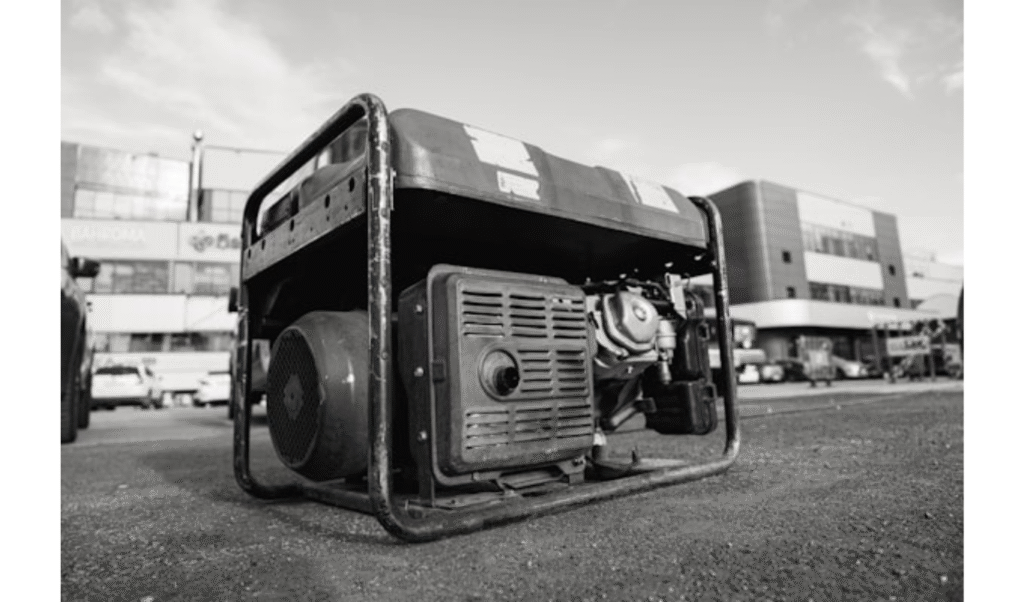
Off-grid, a 2.2 kVA generator such as the Honda EU22i gives about 1,800 W continuous. That is enough for one inverter AC with soft-start in moderate conditions. Turn off ECO mode during startup and derate output for altitude and heat.
Lithium banks with 200-400 Ah usable at 12 V can cover short cooling windows. Estimate DC amps as running watts divided by 0.9, then divided by battery voltage. A 1,200 W draw equals about 111 A at 12 V. Solar and DC-DC charging make overnight use more practical.
Fitment and Compliance Checks
Fitment errors are expensive, so measure before you order.
The Dometic IBIS 4 weighs about 40 kg installed and suits both 360 and 400 mm openings with roof thickness from 20 to 100 mm. Check your roof’s static allowance and add bracing between longitudinal members if needed.
Caravan electrical work must comply with AS/NZS 3001 as well as AS/NZS 3000. Use a licensed installer for wiring, residual current device, or RCD, protection, and inlet configuration. Follow the maker’s torque and sealant specs to protect warranty and water-tightness.
Use Case Comparison
Your travel style changes the best mix of capacity and power.

| Scenario | Capacity | Power Strategy | Key Priority |
|---|---|---|---|
| Tropical Top End | 3.0-3.5 kW inverter | 2.2 kVA gen + soft-start | Operating range to 50°C+ |
| Red Centre off-grid | 3.0-3.4 kW inverter | Lithium + generator hybrid | Sleep mode for cool nights |
| Coastal parks (15A) | 2.6-3.1 kW rooftop | Mains + soft-start | Avoid breaker trips |
| Alpine touring | 2.6-3.0 kW reverse-cycle | Mains or generator | Low-ambient heating mode |
Make Comfort Predictable
The best caravan AC matches four hard numbers before you buy.
Match capacity to climate and van size, choose the type that fits your space and noise needs, confirm running watts against your power source, and verify fitment before ordering. Then add shading, airflow, and insulation so the unit runs fewer hours and the cabin stays quieter.
Frequently Asked Questions
Most final buying questions come down to size, noise, and power.
What Size AC Suits a 16-20 ft Caravan?
Most 16-20 ft caravans need 2.6-3.1 kW. Move toward 3.1 kW in tropical zones or with dark exteriors.
Can a 2.2 kVA Generator Run My Caravan AC?
Yes, if you use an inverter-compressor unit with soft-start and the weather is not at peak heat. Choose 3.0 kVA for more margin in extreme conditions.
Which Is Quieter, Rooftop or Under-Bunk?
Under-bunk units can sound quieter near the bed because the compressor sits below. Modern inverter rooftops still run quietly on low fan or sleep mode.
Do I Need Soft-Start on 15A Mains?
No, but it helps prevent nuisance trips when other appliances run. It also gives you more flexibility if you later add a generator.
Article received via email























