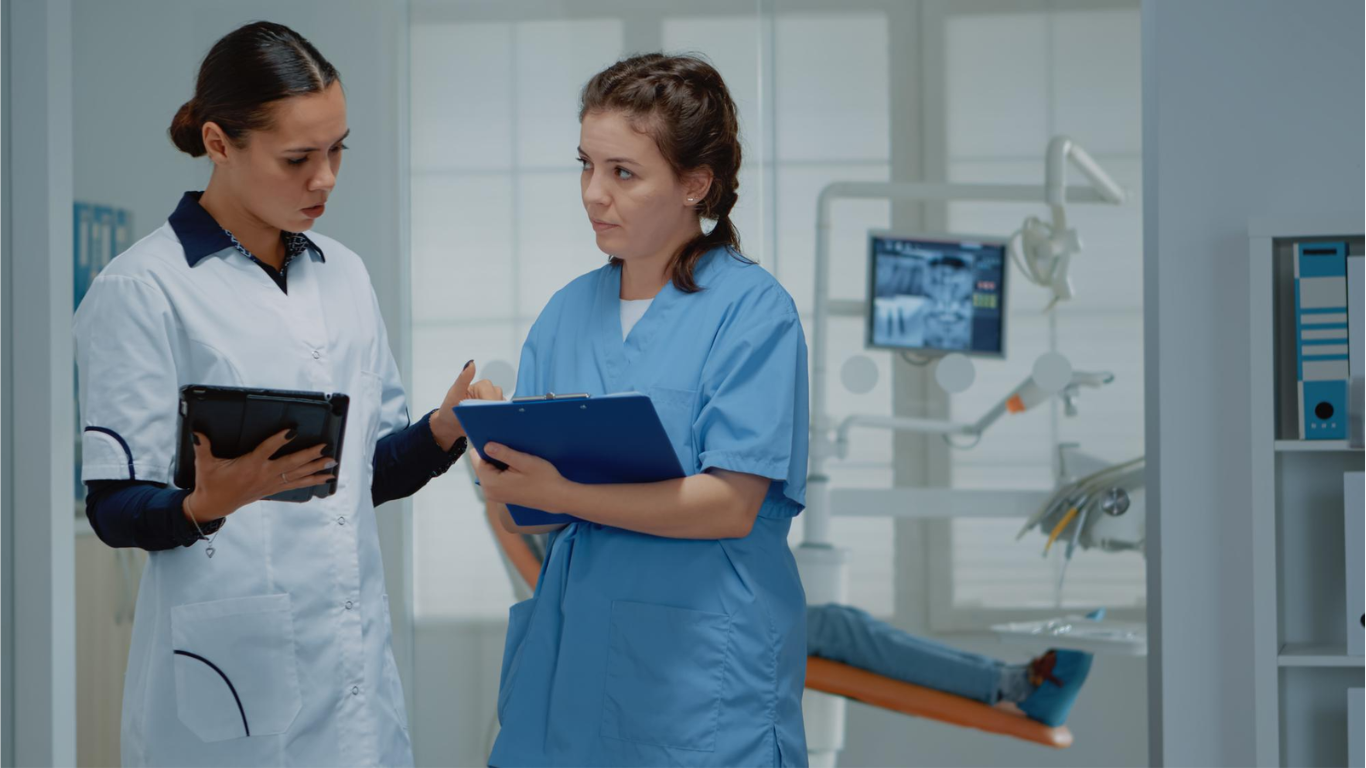
Modern healthcare can look, from the outside, like it revolves around diagnoses, procedures, and treatment plans. Step inside a hospital room, though, and a different reality appears. Care is rarely delivered by one expert acting alone. It is built through constant coordination, quick decisions, and a steady flow of information between professionals. In that shared space, nurses often become the people who connect everyone else.
That is one reason nursing preparation matters so much. A strong educational path, such as a Bachelor of Science in Nursing, helps future nurses build the clinical judgment, communication skills, and patient centered mindset needed in team based care. Modern nurses are not simply carrying out orders. They are interpreting changes, relaying concerns, educating families, and helping different specialists work toward the same goal.
Nurses as the Team’s Real Time Connectors
In many healthcare settings, nurses are the professionals with the most continuous view of the patient. A physician may assess a patient during rounds. A pharmacist may review medication safety. A physical therapist may focus on mobility. Each perspective is essential, but nurses are often the ones who see how those pieces play out hour by hour.
That real time presence changes the role in important ways. Nurses notice subtle shifts before they become major problems. A patient who suddenly seems more confused, less steady on their feet, or less willing to eat may be showing early signs that something is wrong. Because nurses are monitoring, documenting, and communicating throughout the day, they help the rest of the healthcare team act sooner and with better information.
This position also makes nurses translators in the best sense of the word. They translate medical language into practical guidance for patients and families. They translate patient concerns into useful clinical details for providers. They translate separate plans from different disciplines into one care experience that makes sense to the person in the bed.
Working With Physicians as Clinical Partners
The relationship between nurses and physicians is often described too narrowly. It is not just a chain of command. In strong healthcare teams, it is a partnership built on different kinds of expertise.
Physicians usually focus on diagnosis, medical strategy, and higher level decision making. Nurses contribute a close range understanding of how the patient is responding in real life. They can tell whether pain medication is actually helping, whether a treatment plan is realistic, whether symptoms are escalating, or whether a family understands discharge instructions.
This collaboration matters because good care depends on more than a correct diagnosis. It also depends on timing, follow through, and adaptation. A nurse who raises a concern early can change the course of care. A physician who listens to that concern strengthens the whole team. In many cases, the best patient outcomes come from these small but critical exchanges that happen long before a crisis.
How Nurses Coordinate With Pharmacists
Medication management is one of the clearest examples of team based care in action. Pharmacists bring deep knowledge of drug interactions, dosing, side effects, and safety issues. Nurses bring immediate knowledge of how medications affect the patient at the bedside.
That means nurses often serve as the final practical checkpoint before a medication is given. They confirm the right patient, the right medication, the right dose, and the right timing. They also watch for side effects, changes in condition, and barriers that may interfere with treatment, such as nausea, confusion, or refusal.
Just as important, nurses help patients understand what their medications are for and how to take them correctly after discharge. Clear medication teaching supports safety at home, especially for patients managing multiple prescriptions. Resources from the National Library of Medicine’s MedlinePlus medication information show just how much patient friendly education matters when people are trying to make sense of complex treatment plans.
The Link Between Nursing and Rehabilitation
Modern healthcare does not end when a patient is medically stable. Recovery often depends on movement, endurance, daily functioning, and confidence. That is where collaboration with physical therapists, occupational therapists, and speech language pathologists becomes especially important.
Nurses help reinforce the progress these specialists are trying to build. If a physical therapist works on safe walking techniques, the nurse supports that plan during later mobility efforts. If an occupational therapist recommends adaptive strategies for dressing or bathing, the nurse can observe whether those strategies are practical for the patient. If a speech therapist sets swallowing precautions, the nurse helps make sure those precautions are followed consistently.
This matters because healing is not a single event. It is repetition, support, and continuity. Nurses keep rehabilitation goals present throughout the day, not just during scheduled therapy sessions.
Advocates for the Patient Experience
One of the most valuable roles nurses play is patient advocacy. In a complex healthcare system, patients can feel overwhelmed, unheard, or uncertain about what happens next. Nurses often become the person who slows things down, asks the extra question, or speaks up when something does not feel right.
Advocacy can take many forms. It may mean asking for clearer pain control. It may mean telling the team that a discharge plan seems unrealistic for a patient who lives alone. It may mean recognizing that a family needs more teaching before they can safely manage wound care or medications at home.
This role matters even more in a healthcare environment that is increasingly specialized. The more experts involved, the greater the need for someone to protect the overall patient experience. According to the World Health Organization overview of nursing and midwifery, nurses are central to health systems and provide care across prevention, treatment, rehabilitation, and palliative care. That broad presence helps explain why they are so often the professionals who hold care together.
Nurses and the Human Side of Clinical Efficiency
Healthcare teams today are under pressure to move quickly. Patients are often sicker, hospital stays can be shorter, and documentation demands are heavy. In that kind of environment, efficiency matters. But efficiency without human connection can easily turn into confusion or frustration for patients.
Nurses help prevent that. They are often the ones who explain what is happening, what a delay means, why a test matters, or what the next few hours may look like. These conversations may seem small, but they can reduce fear, improve cooperation, and make the rest of the care plan work better.
In other words, nurses do not just help deliver treatment. They help make treatment understandable. That is a different kind of clinical value, but it is value all the same.
Preparing for a Role That Keeps Expanding
As healthcare becomes more collaborative, more technical, and more patient focused, the nursing role continues to expand with it. Nurses are expected to think critically, communicate across disciplines, adapt quickly, and support care across many settings, from hospitals to outpatient clinics to community health environments.
That is why educational preparation matters. Nurses need a foundation in science, communication, ethics, and evidence based practice. They also need opportunities to build confidence in real clinical situations where teamwork is not optional but essential.
In the modern healthcare team, nurses are far more than assistants to someone else’s plan. They are coordinators, observers, educators, advocates, and steady presences in moments that can feel uncertain for patients and families. When healthcare works well, it is often because a nurse helped all the moving parts come together in a way that was safe, timely, and genuinely compassionate.
Blog received via e-mail