
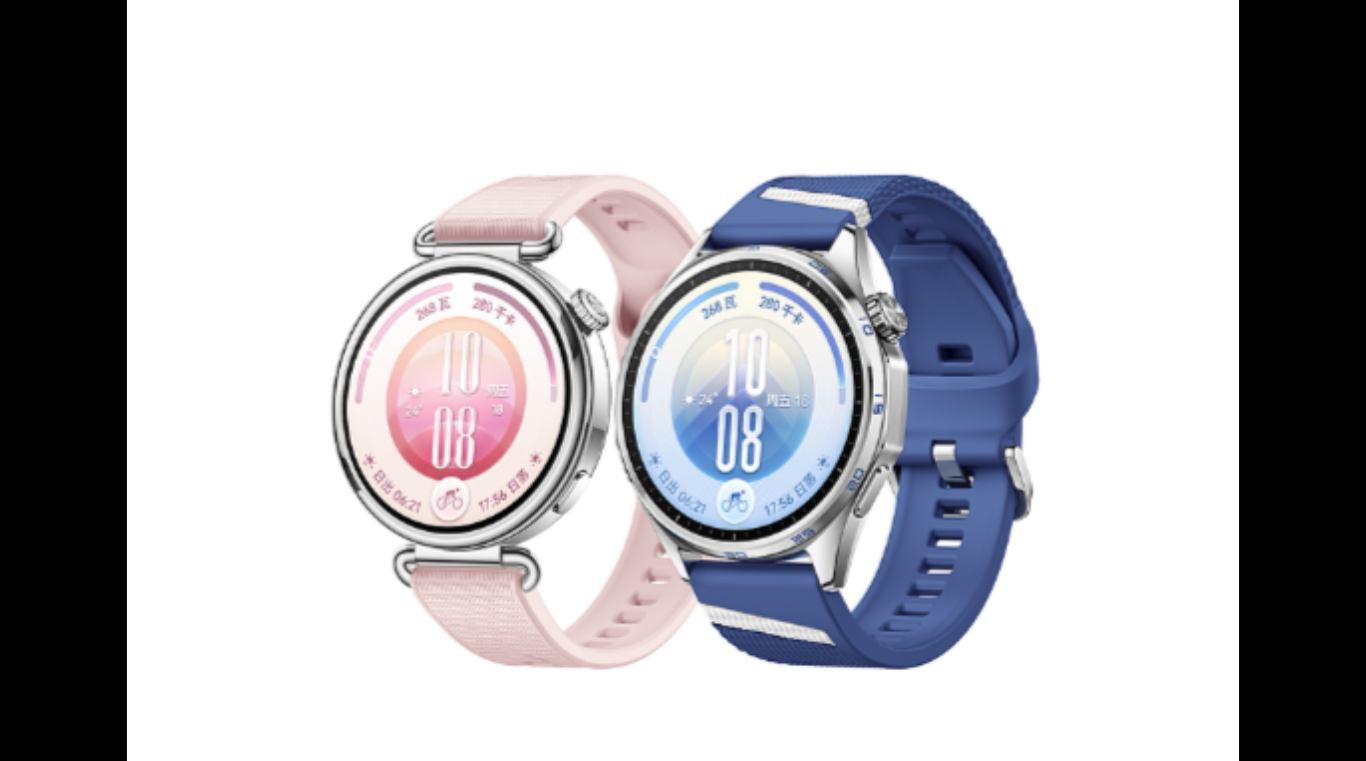
A smartwatch is no longer just a watch that tells time and acts as a notification checker. To many consumers, it has now become a no-nonsense upgrade to their daily routine, fitness tracking, and connection with the world, all with no need to reach for their phone. Meanwhile, buyers demand that their smartwatch should look and feel like a premium traditional watch.
But it is the most compelling designs that combine those expectations. They combine durable materials, accessible health information, useful training features, and battery performance that fits real life. Understanding how these elements work can help consumers choose technology that suits their priorities rather than chasing specifications alone.
Craftsmanship That Supports Everyday Wear
Premium smartwatch design is about more than appearance. Luxury watches may feature titanium cases, sapphire crystal, and ceramic parts in some of the top models. These materials have a wide range of attractive features that include durability, comfort, and sophisticated styling.
However, materials alone do not determine quality. The size of the case, strap fit, placement of the buttons, weight – all of these things make the iPad nice and comfy, whether that’s in a business meeting or doing yoga.
Display quality matters just as much. A bright AMOLED screen can make directions and workout metrics easier to read outdoors, while automatic brightness adjustment helps conserve power.
Health Insights That Encourage Better Habits
Depending on what sensors your model has, the following tracked data will be available through the watch’s sensors: Heart rate, oxygen saturation in blood, amount and quality of sleep, signs of stress.
For example, consistently shorter sleep periods or an unusually elevated resting heart rate may encourage someone to review their schedule, recovery, or activity levels. Some watches also offer breathing exercises and reminders to move after long periods of inactivity.
These features are most useful when considered as cues, not diagnosis. Wrist-based readings are subject to motion, contact, and other factors, and consumer devices can never substitute for a clinical examination. Trends, context, and guidance from your caregiver are more significant than any one measurement.
Smarter Support for Exercise and Exploration
A good fitness watch should deliver information that people can take advantage of, not just a slick menu of sports modes. Perhaps runners will be interested in pace, distance, and history of training. You want to record routes and elevation data for cyclists and hikers.
Some even have the capability to measure your training load, fatigue and recovery requirements, and aerobic fitness level. This isn’t a direct measurement, but it might help compare sessions and increase or decrease your effort.
Navigation is another important consideration. Multi-band satellite positioning can enhance location tracking in difficult environments, but the accuracy can still depend on the terrain and nearby structures. Offline maps, route instructions, and return navigation may be helpful when doing outdoor activities, especially if the user pre-downloads information.
Shoppers comparing design and performance, the WATCH GT 7 Pro can serve as a starting point for examining how premium wearables aim to balance appearance, health features, and sport-focused functionality.
Connectivity Without Constant Distraction
Smartwatches come in handy for completing small daily tasks. Depending on the device they use and what it connects to, you can answer calls, receive messages, view reminder notifications on your calendar, control your music, or snap a photo with your phone camera.
These notifications are what we’ve decided we’re interested in responding to. Personalizable Notification Settings- Wearers can be reached without interruption when they are in a place to be disconnected. For example, at the office, at the gym or on the sofa.
Battery Life as a Practical Design Feature
Smartwatch usability is dependent on the quality of the battery life. Having to charge it all the time might disrupt sleep measurements or travel, whereas having a smartphone with a good battery life means you can leave it on your wrist for longer.
This is usually an exaggerated overestimate of the time. Phone battery life can be impacted by many factors, including an always-on display, running GPS, and making calls.
Conclusion
This new-generation smartwatch combines the charm of classic watchmaking with the tools of everyday life. Not everything has to be there; the best is what can always be relied upon, in a form that is comfortable to wear. When craftsmanship, responsible health tracking, fitness support, and battery performance work together, a smartwatch becomes a useful part of daily life rather than another device demanding attention.
Article received via email