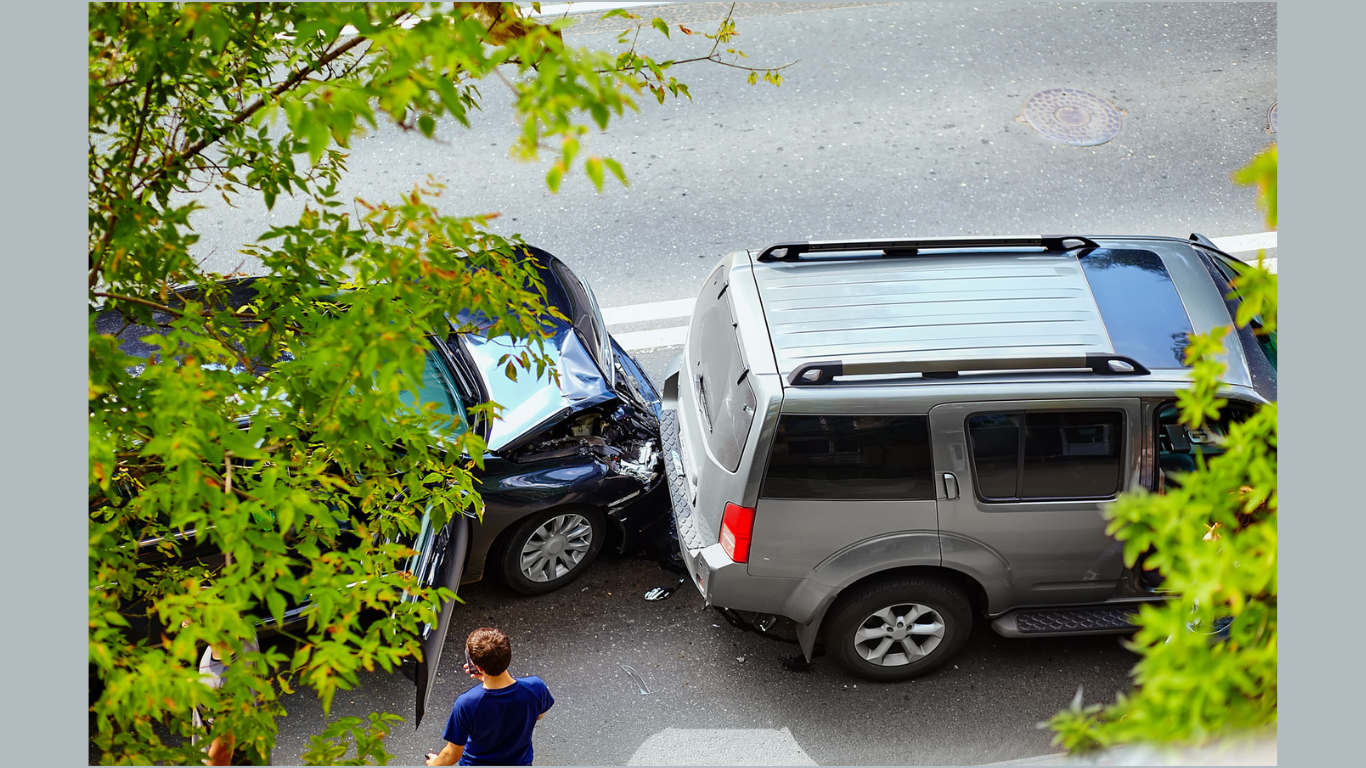
A vehicle can leave its lane in seconds, but the resulting collision may cause serious injuries, property damage, and financial problems. Drivers can drift because of distraction, fatigue, impairment, speeding, road conditions, or mechanical issues. Understanding the causes of failure to maintain lane accidents can help drivers recognize dangerous behavior and understand how these crashes occur.
What Does Failure to Maintain a Lane Mean?
Failure to maintain a lane occurs when a driver does not keep a vehicle within its intended lane. This may involve drifting onto a shoulder, crossing a center line, or moving unexpectedly into another lane.
Proper lane changes are legal when drivers signal and make sure conditions are safe. Problems arise when a vehicle leaves its lane without warning or proper control, potentially causing sideswipe, rear-end, or head-on collisions.
Distracted Driving
Distraction is a common cause of lane departure. Texting, using navigation, eating, making calls, or adjusting vehicle controls can take a driver’s attention away from the road.
According to the National Highway Traffic Safety Administration’s distracted driving information, 3,208 people were killed, and an estimated 315,167 were injured in distracted-driving crashes in 2024.
Even a brief distraction can cause a driver to miss lane markings or nearby vehicles and drift unintentionally.
Drowsy or Fatigued Driving
Fatigue reduces attention and slows reaction time. A tired driver may drift across lane markings without noticing or briefly fall asleep behind the wheel.
Warning signs include yawning, heavy eyelids, difficulty remembering recent miles, hitting rumble strips, or repeatedly drifting from the lane. Drivers experiencing these symptoms should stop and rest before continuing.
Alcohol or Drug Impairment
Alcohol and drugs can affect judgment, coordination, reaction time, and vehicle control. An impaired driver may struggle to maintain a steady speed or position in the lane.
Some prescription medications can also cause drowsiness or other side effects that interfere with driving.
Speeding and Aggressive Driving
Speed makes it harder to respond to curves, traffic changes, hazards, and sudden lane movements. Driving too fast for weather or road conditions can also increase the likelihood of losing control.
Aggressive behavior creates similar risks. Rapid lane changes, tailgating, cutting off other vehicles, and unsafe passing can cause drivers to cross lane markings or force others to swerve.
Inexperience or Poor Judgment
Inexperienced drivers may have difficulty with lane positioning, merging, curves, and heavy traffic. However, experienced drivers can also make poor decisions.
Misjudging the distance between vehicles, entering a curve too quickly, or failing to notice that a lane is ending may result in an unintended lane departure.
Poor Weather and Road Conditions
Rain, fog, snow, ice, strong winds, and standing water can reduce traction and visibility. Faded lane markings or slippery surfaces may make it more difficult to stay within a lane.
Drivers should reduce speed, increase following distance, and remain especially alert when conditions make lane markings difficult to see.
Vehicle Problems Can Cause Lane Departures
Not every lane departure results from driver behavior. Tire damage, steering failure, brake problems, or suspension defects may cause a vehicle to move unexpectedly.
When a mechanical problem is suspected after a crash, photographs, repair records, inspection reports, and the vehicle itself may provide important evidence.
Poorly Designed or Unclear Road Markings
Drivers depend on lane markings, signs, and roadway layouts for direction. Faded markings, construction zones, confusing lane shifts, or poorly designed roads can make navigation harder.
Photographs of road conditions, signs, construction areas, and lane markings can help investigators determine whether the roadway contributed to a crash.
How Technology May Help Prevent Lane Departures
Modern vehicles often include systems designed to reduce unintended lane departures. The NHTSA guide to driver assistance technologies explains that lane departure warnings can alert drivers when they drift, while lane-keeping assistance may help guide the vehicle back.
These technologies can provide support, but drivers remain responsible for staying attentive and operating their vehicles safely.
Why Identifying the Cause Matters
After a lane departure crash, evidence such as police reports, photographs, witness statements, traffic footage, vehicle damage, phone records, and medical records may help explain what occurred.
Identifying whether distraction, fatigue, impairment, speed, mechanical failure, weather, or road conditions caused the crash can also determine what evidence needs to be preserved.
Final Thoughts
Failure to maintain lane accidents can result from many factors, including distracted driving, fatigue, impairment, speeding, aggressive behavior, poor weather, mechanical problems, and unclear road conditions. Understanding these causes can help drivers reduce preventable risks.
Blog received via e-mail