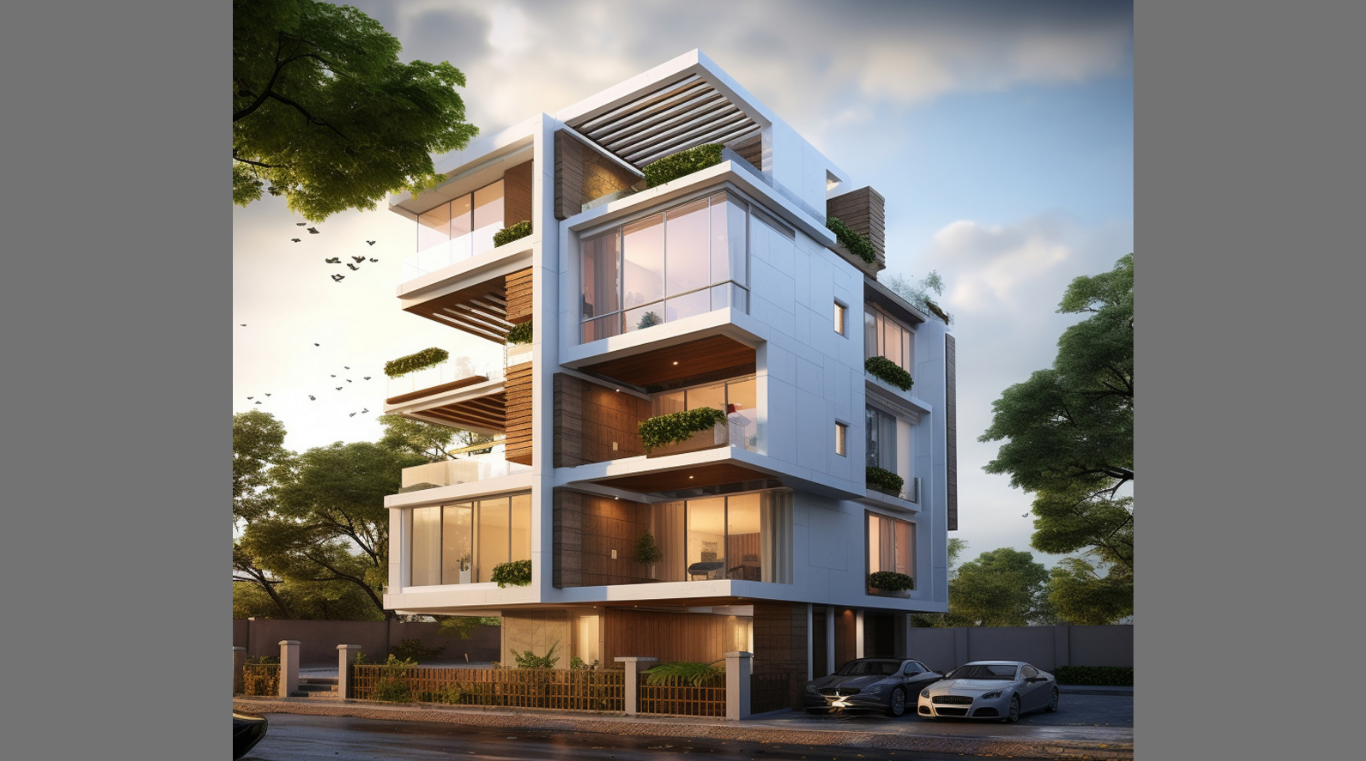
Modern residential projects are changing how people experience home life. They combine practical layouts, shared facilities, efficient services, and access to daily needs. Residents now expect more than attractive interiors. They seek comfort that supports work, rest, health, family time, and social connection. This shift places planning at the center of residential value. A well-considered project can reduce daily friction while giving occupants more choice, privacy, and ease at every stage of everyday life.
A Practical Example
One example is CU Terrace. The project reflects a broader move toward residences that connect private rooms with shared settings. Its location near education, transport, shops, and venues shows why convenience shapes decisions. Residents spend less time on travel and more time on work, friendships, exercise, or quiet recovery. This pattern gives residential planning a practical role in improving our schedules for many households.
Efficient Floor Plans
Good floor planning starts with movement. Entry points, kitchens, bedrooms, and bathrooms should connect without wasted distance. Storage belongs near related activities, keeping clutter away from living areas. Flexible rooms can shift from office to study space or guest room as needs change. These choices help households use smaller footprints while preserving calm, privacy, and comfortable circulation.
Spaces That Serve More
Modern residences also give rooms multiple roles. A lounge may host breakfast, remote work, reading, and family conversation within one day. Balconies can provide planting space, morning air, or a pause above busy streets. Good lighting, acoustic control, and movable furnishings support these changes. Such adaptability helps residents respond to new routines without moving house or sacrificing personal character.
Health Within Reach
Health-focused planning brings fresh air, daylight, greenery, and exercise options closer to home. Useful views can improve mood, while shaded paths encourage walking. Fitness rooms, gardens, and quiet spaces support different needs. These features matter because well-being depends on daily habits, not occasional visits to distant facilities. Residential settings can make healthy choices easier for everyone.
Shared Areas With Purpose
Shared facilities work best when they meet real needs. Secure parcel rooms, laundry areas, play zones, meeting rooms, and shaded seating can save time and encourage interaction. Amenities should be accessible, clean, and suited to resident demand. Thoughtful management matters as much as construction, as reliable upkeep protects comfort, safety, and daily usefulness.
Technology That Removes Friction
Technology adds value when it quietly removes obstacles. App-based entry, visitor alerts, maintenance requests, energy monitoring, and emergency notifications simplify daily tasks. However, convenience should not replace human support. Residents need responsive staff, clear policies, and accessible help. The best systems combine automation with accountability, building confidence without making home life feel machine-managed.
Lower Costs, Better Value
Financial value includes running costs, not just the purchase price. Efficient appliances, water-saving fixtures, durable finishes, and sensible cooling can reduce expenses. Maintenance fees help buyers compare projects. Lower waste and fewer repairs give households greater budget control, especially when balancing education, transport, and care costs.
Safety And Long-Term Trust
Safety planning should address buildings and behavior. Well-lit routes, controlled access, visible emergency information, and reliable alarms help residents respond quickly. Child-friendly features, secure windows, and careful vehicle movement reduce common risks. Trust grows when rules are clear and consistently enforced. Strong management protects residents while respecting independence, providing a safer foundation for daily life.
A Stronger Sense of Place
A successful project strengthens local connection. Ground-floor shops, welcoming entrances, shaded walkways, and shared gardens create natural meeting points. Good design supports both interaction and privacy, letting residents choose their level of contact. Proximity to schools, transit, workplaces, and services reduces travel needs. This balance connects residents to their surroundings while preserving the privacy that makes home restorative.
Planning for Tomorrow
Long-term appeal depends on balancing private comfort with public function. Well-managed spaces support changing households, responsible resource use, and stronger community ties. Value appears in everyday benefits such as shorter errands, better rest, easier visits, and safer movement. These outcomes make residential development a practical investment in how people live, connect, and plan ahead.
Conclusion
Modern residential projects are reshaping everyday living by bringing useful choices closer to residents. Better layouts, shared amenities, health features, reliable services, and thoughtful management can improve comfort without excess. Strong developments balance privacy, community, and responsible spending. For us, this sets a clearer housing standard: homes should save time, support well-being, and adapt to changing needs. Everyday quality begins with thoughtful choices before move-in.
Article received via email