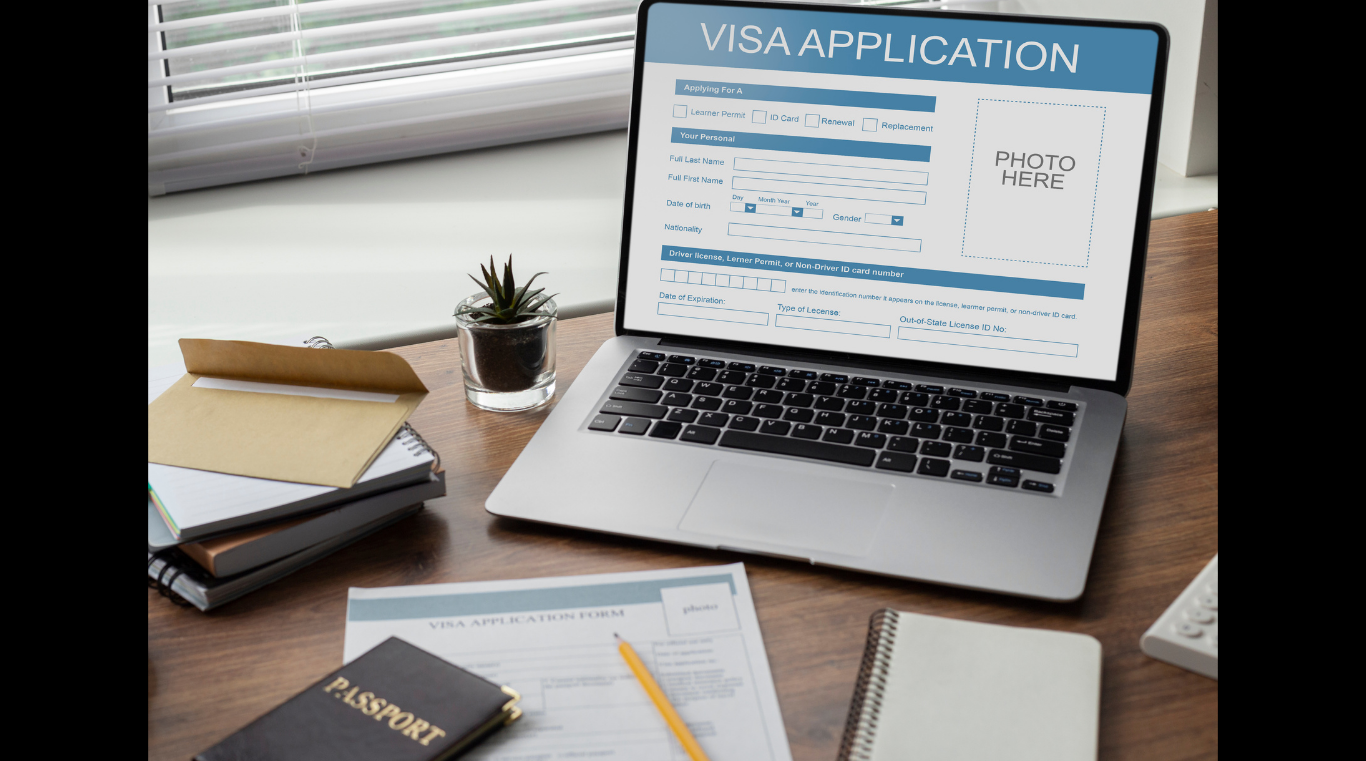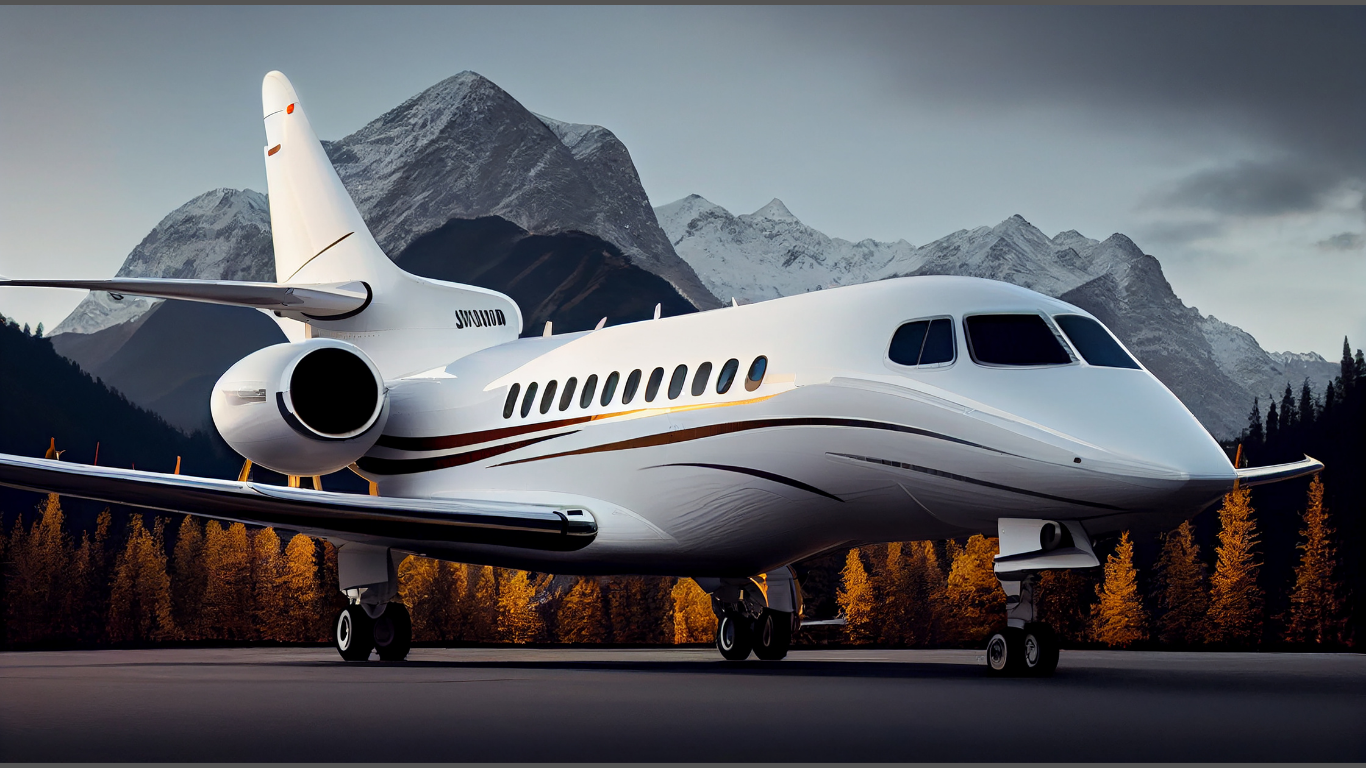
Business travel looks very different today than it did a decade ago. Executives face increasing pressure to respond quickly to manage operations across multiple locations and make decisions without unnecessary delays. At the same time, commercial air travel often involves long security lines, fixed schedules, and limited route options that can consume valuable working hours. As companies place greater emphasis on efficiency and return on time investment, many leaders now view private aviation as a practical business solution rather than a luxury. The ability to travel on your own schedule has made private aviation an increasingly attractive option.
Time has become a competitive advantage
For many executives, time represents one of the most valuable business resources. Private aviation helps you reclaim hours that would otherwise be spent navigating crowded terminals or waiting for connections and waiting around commercial airline schedules.
Business aircraft can access thousands more airports than commercial carriers, allowing you to land closer to clients, project sites, manufacturing facilities, or regional offices. Instead of losing half a day to ground transportation after landing, you can often arrive much closer to your final destination. This flexibility also makes multi-city travel far more practical. An executive can visit several locations in a single day and still return home that evening.
Many organizations begin with a private jet rental model before deciding whether a membership program or long-term aviation solution aligns with their travel needs. This approach allows companies to evaluate the benefits without the commitment of aircraft ownership.
Private aviation improves productivity beyond the flight itself
The value of private aviation extends far beyond transportation. Rather than treating travel as downtime, executives can use flight time as productive working time.
Private cabins provide an environment where teams can review presentations, discuss business strategy, and prepare for upcoming meetings without interruption. Sensitive financial reports, acquisition plans, and client information can be reviewed comfortably without concerns about nearby passengers overhearing conversations.
Tighter scheduling also supports faster decision-making. When travel becomes more predictable, you can coordinate meetings with greater confidence and respond more quickly when business priorities change.
Companies are using private aviation to expand market reach
Many businesses operate in locations that commercial airlines do not serve efficiently. Manufacturers often maintain facilities in regional areas, while energy companies frequently work near remote project sites. Healthcare organizations, investors, and growing mid-sized businesses face similar challenges.
Private aviation helps companies reach these locations directly rather than relying on multiple connecting flights and lengthy drives. This improved accessibility allows executives to spend more time meeting customers, evaluating opportunities, and overseeing operations. As a result, businesses can strengthen relationships and pursue growth opportunities that might otherwise prove difficult to access.
Privacy, security, and confidentiality
Senior executives routinely handle confidential information that requires a secure environment. Commercial flights offer limited privacy, particularly when discussing sensitive business matters or reviewing important documents.
Private aviation creates a controlled setting where conversations remain confidential, and access remains restricted to authorized passengers. Leadership teams can discuss negotiations, strategic initiatives, and financial plans without concern about unintended exposure.
For organizations that place a high value on discretion, this level of privacy provides a practical advantage that supports both business continuity and informed decision-making.
Article received via email