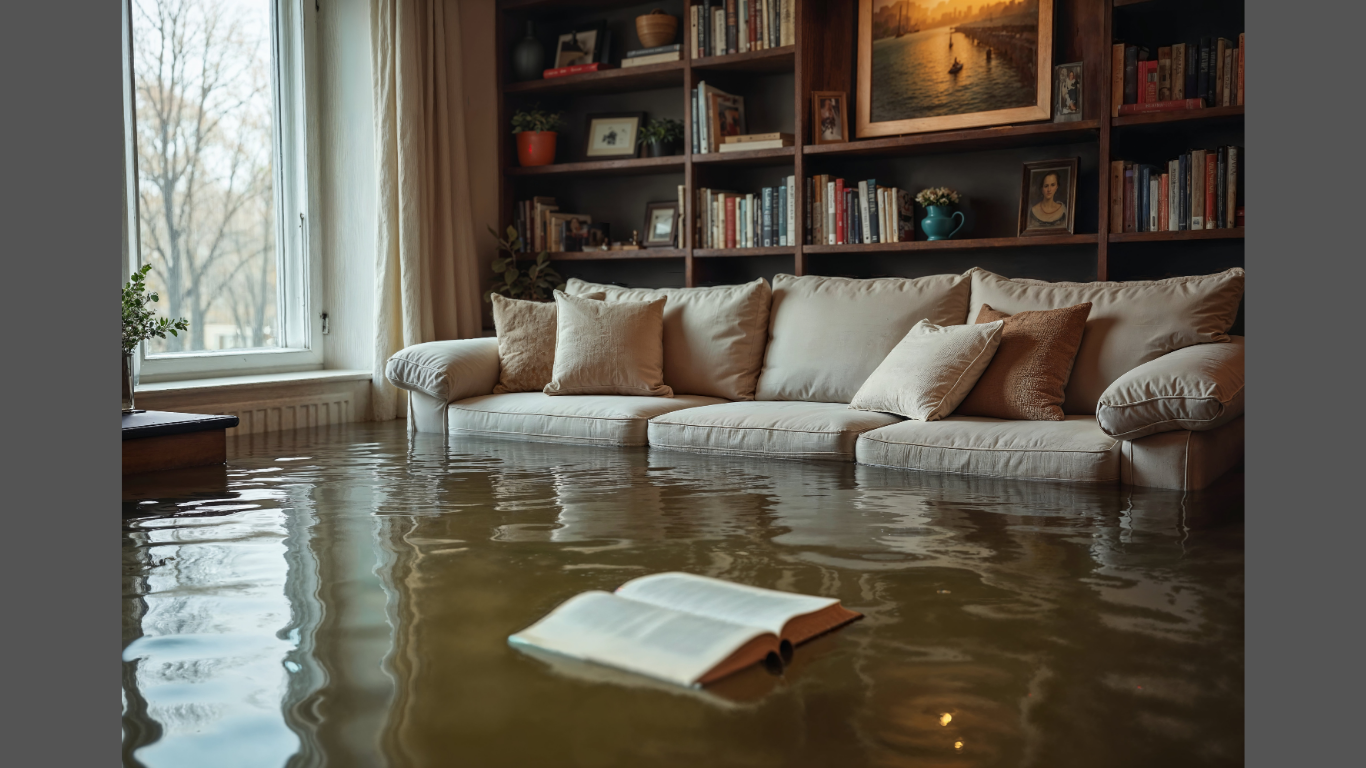
Water damage restoration is among the most disruptive events a homeowner can face, and in many local communities, they happen more often than residents expect.
A burst pipe in winter, a roof that fails during a heavy storm, a basement that floods after a week of rain – any of these can turn a livable home into a repair project lasting weeks or months.
Understanding how water damage works, what it does to a house over time, and what steps homeowners can take to limit the harm is practical information most people only seek out after something has already gone wrong.
How Water Damage Happens
Water gets into homes in more ways than most people think about. Common sources include:
- Weather events – heavy rain, snowmelt, a flooding from nearby waterways or overwhelmed storm drains
- Frozen pipes – a leading cause in cold-weather communities, especially in older homes with exposed plumbing
- Appliance failures – water heaters, washing machine hoses, and dishwasher supply lines that split or corrode
- Sump pump failure – often happens during the same storms that cause flooding, when power goes out
- Roof damage – lifted shingles or failing flashing allow water into attics and walls, sometimes undetected for months
In older homes – and many communities have plenty of them – aging plumbing, deteriorating seals around windows and doors, and foundations that have settled over decades create additional vulnerabilities.
What was watertight twenty years ago may not be today.
What Water Does to a Home Over Time
The first hours after water enters a home are critical. Timber framing starts pulling in water before the floor has even stopped dripping.
Drywall, once wet, loses its integrity fast and rarely dries back to its original state. Flooring buckles. If the water is contaminated – from a sewer or floodwater that has picked up runoff – the health risk compounds the structural one.
Within 24 to 48 hours, mold can begin developing in wet materials. Mold does more damage than it looks like.
It eats into the materials it grows on, and the spores it releases into the air are a real concern for anyone in the house – especially kids, the elderly, or anyone with asthma or allergies.
Once mold takes hold in walls or subfloor, remediation becomes significantly more involved than simply drying things out.
Longer-term, water that repeatedly enters the same areas weakens the structural integrity of floors and walls. Wood rots. Metal fasteners corrode. Foundation walls that keep getting wet tend to crack over time, and each crack becomes an opening for the next storm.
The Community Dimension
Water damage doesn’t always stop at the property line. Homes built close together share more than a fence – a plumbing failure in one unit can push water toward neighboring foundations.
A flooded basement raises local groundwater, and the house next door feels it too.
At the community level, aging municipal infrastructure plays a role, too. Storm drains that haven’t been maintained or expanded to handle modern rainfall volumes back up during heavy storms, sending water toward the lowest points – which are often the basements of homes on the edge of town or in low-lying areas.
Local governments face real budget constraints when it comes to upgrading drainage infrastructure, and the burden of managing that gap often falls on individual homeowners who may not have anticipated the expense.
What Homeowners Can Do
Prevention is considerably less expensive than repair, and most of the steps worth taking don’t require significant investment.
Some of the most effective measures:
- Clean gutters and extend downspouts so water drains away from the foundation rather than pooling against it
- Grade the soil around the house to slope away from the foundation at ground level
- Know where the main water shutoff is and test it periodically – a leak caught and stopped quickly causes a fraction of the damage of one discovered hours later
- Install a sump pump with battery backup in any basement that has flooded before or sits in a low-lying area
- Check appliance hoses on washing machines and dishwashers every few years and replace them before they fail
Preparing a home for potential natural disasters covers many of the same principles – inventorying vulnerable points, keeping drains clear, and having a basic response plan in place before anything goes wrong.
The preparation that matters for floods and storms overlaps considerably with what protects against everyday water damage events.
When Damage Has Already Occurred
Speed matters more than most homeowners realize. The faster water is extracted and affected materials begin drying, the lower the risk of mold and the less likely that structural materials will need to be replaced rather than dried and saved.
Professional water damage restoration companies have equipment that removes moisture from walls and floors far faster than fans and open windows can manage.
When dealing with water damage, these steps help protect both, the home and any insurance claim:
- Stop the water source if it’s still active before doing anything else
- Document everything with photographs of every affected area before cleanup begins
- List damaged items with as much detail as possible – make, model, approximate age, and value
- Contact your insurance promptly – most policies have time requirements for reporting damage
- Don’t discard damaged materials until an adjuster has seen them
Water damage is a problem that rewards attention before it happens and swift action when it does.
For homeowners in local communities, understanding both sides of that equation is worth the time and effort.
Article received via email