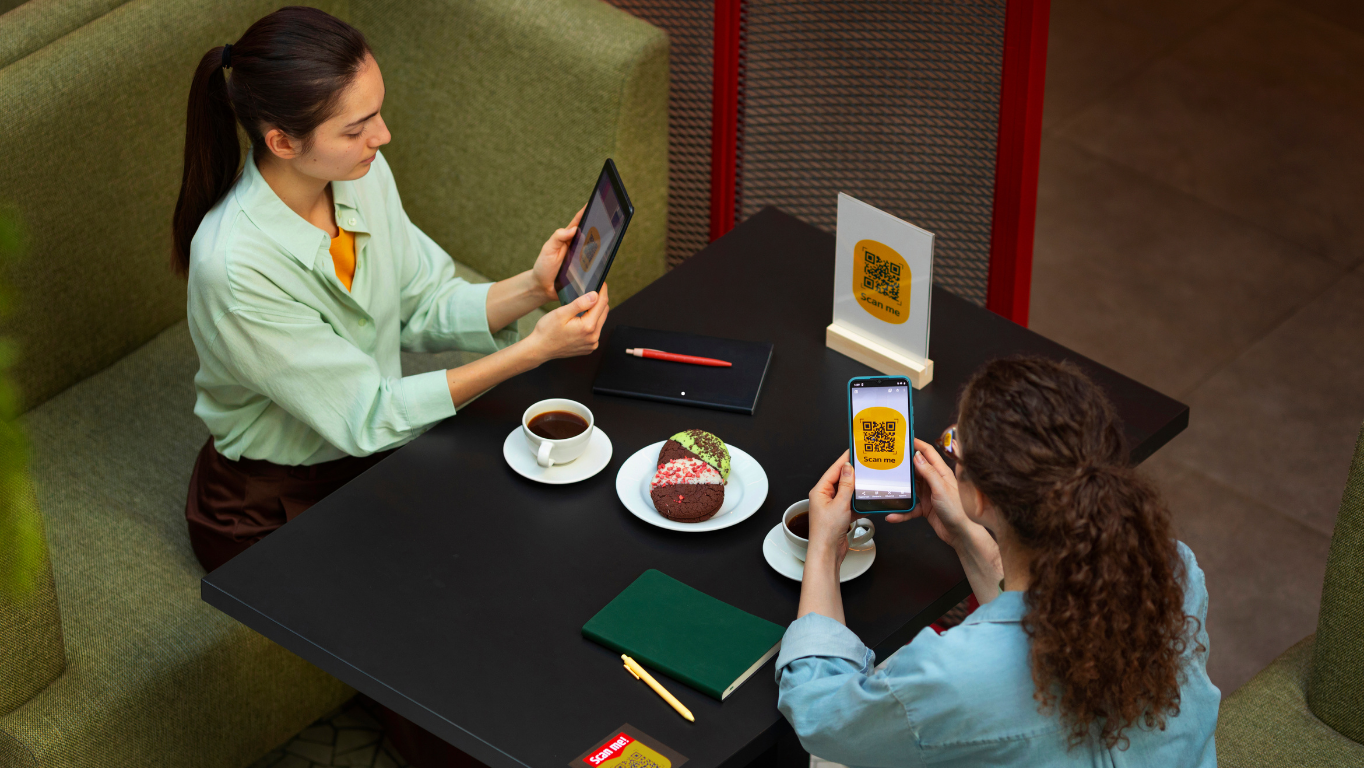
A memorable dining image begins before a guest sees the first plate. It is formed by the sign, host greeting, lighting, menu language, aroma, service pace, and final bill. Each cue teaches people what to expect. Strong restaurant branding gives those cues discipline, so the experience feels recognizable, credible, and worth recalling after the meal ends.
Strategy Sets the Direction
Clear positioning keeps creative choices from drifting. A restaurant branding agency reviews the concept, trade area, guest profile, menu range, pricing, and service model before shaping identity. That work links business goals to sensory cues, so the restaurant can express a single promise through design, operations, and communication.
Research Helps Identify Gaps
Research protects teams from building around assumptions. Guest interviews reveal why people return, hesitate, or recommend a place. Search data shows demand patterns. Reviews expose friction around wait times, ordering, comfort, or value. These findings help owners invest in signals that guests already notice, rather than chasing decorative ideas with limited commercial weight.
Positioning Provides Insight
Positioning gives the restaurant a clear place in a guest’s mind. It may center on regional cooking, quick lunch service, family comfort, craft technique, late-night energy, or celebration. The sharper the idea, the easier it becomes to remember. Broad claims usually fade because diners cannot repeat them with confidence.
Naming Shapes First Impressions
A name works hardest when people say it aloud, search for it, or share it with friends. Strong names are pronounceable, distinctive, and matched to the concept. They hint at the mood without explaining the full story. Good naming also leaves space for new dishes, catering, delivery, and future locations.
Visual Identity Creates Recognition
Visual identity turns positioning into visible evidence. Logo marks, type, color, photography, and spacing should come together to form a uniform identity across signage, menus, uniforms, packaging, and posts. Recognition grows through steady repetition. Originality matters as well, since borrowed category cues can make one dining room blend into another.
Menus Carry the Brand
A menu shapes expectation as much as appetite. Section order, item names, descriptions, prices, and white space guide decisions before staff speak. Plain, simple language can still feel rich when ingredients, technique, and origin are chosen carefully. The best menus reduce confusion while keeping the restaurant’s character present on every page.
Space Turns Identity Physical
The room makes brand strategy tangible. Lighting affects pace and comfort. Seating density changes how long guests stay. Materials, acoustics, uniforms, tableware, scent, and music all carry meaning. Even pickup shelves or restroom signs can confirm that care is being taken. People may forget the copy, yet remember how a place held their attention.
Voice Builds Trust
Voice shapes trust through every message. Reservation notes, social captions, menu descriptions, complaint replies, hiring posts, and table signage should sound related. A counter-service spot may speak with warmth and speed. A tasting menu room needs precision and restraint. Consistent language lowers uncertainty because guests sense the same standards everywhere.
Packaging CreatesLasting Impressions
Packaging carries the dining image outside the building. A bag, cup, label, box, or receipt insert can protect food, prevent errors, and reinforce memory. Function comes first. Materials should preserve temperature, texture, and transport quality. Small branded details work best when they help guests identify, carry, or enjoy the order.
Campaigns Maintain Interest
Campaigns should remind people why the restaurant matters, not just announce discounts. Seasonal menus, local partnerships, chef features, opening pushes, and loyalty offers need the same identity cues. Repeated colors, tone, photography, and offer structure build recognition. Over time, that repetition makes each promotion easier to connect with the place.
Measurement Guides Refinement
Brand performance can be tracked after launch. Useful signals include repeat visits, direct searches, review sentiment, average order value, private dining inquiries, delivery ratings, and staff feedback. The numbers show the image is landing well. Qualitative comments explain why. Together, they guide careful adjustments without weakening the core position.
Conclusion
A memorable dining image comes from coordinated choices, not isolated decoration. Strategy defines the promise, research tests reality, and identity gives the restaurant a recognizable form. Menu, space, voice, packaging, and campaigns then repeat that idea in practical ways. When those touchpoints align, guests carry a clearer impression, make faster recommendations, and return with stronger expectations.
Article received via email