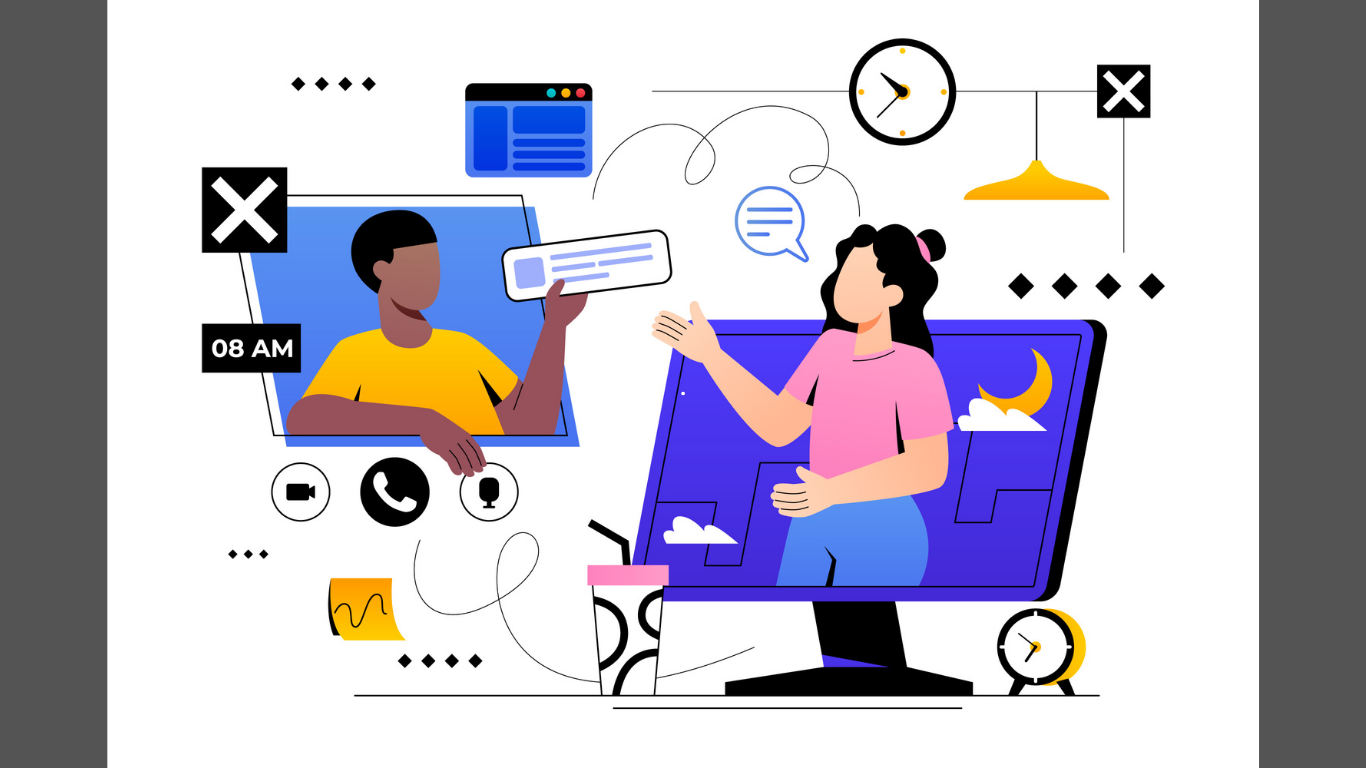
Remote work removes hallway noise, but it can create quieter forms of strain. A delayed answer can hold up a handoff. A vague thread can bury a decision. Another status call can fracture focus. Async communication helps remote teams reduce these small daily costs by making work easier to read, trace, and continue. With clear norms, people can protect attention without losing connection.
Clearer Daily Work
Remote teams work best when messages include enough detail to prevent follow-up. Async communication for remote teams should identify the goal, owner, deadline, and next action in plain language. That structure lowers hesitation because each person can see what matters, what changed, and what response is needed before work resumes.
Fewer Meeting Interruptions
Live meetings still have value, especially for conflict, ambiguity, or urgent judgment. Many routine updates do not need a shared room. A concise written brief can replace a status call. Recorded notes can preserve tone without taking thirty minutes from every calendar. Fewer interruptions help people stay with demanding work long enough to finish it well.
Better Context Sharing
Friction often arises when background information is held by one person. Remote teams need context that outlives memory and time zones. Decision logs, project notes, and recorded updates give others a stable record to review. New team members also learn faster because past choices are visible. Less explanation gets repeated, and fewer details disappear after calls end.
Stronger Ownership
A message can look complete while still leaving responsibility unclear. That gap creates waiting, duplicate effort, and quiet frustration. Strong async practice names the person accountable for the next step. It also states what action is requested and when a reply is expected. Clear ownership keeps discussion from drifting into long threads with no decision.
Better Time Zone Fit
Distributed work depends on clean handoffs. Without them, progress waits for shared hours that may be scarce. Async communication helps one region finish a shift by leaving useful notes for another. A complete update can include status, blockers, links, and the next decision point. The team keeps moving without forcing late calls or rushed replies.
Less Tool Noise
A noisy tool stack can make every alert feel urgent. Teams reduce that pressure by giving each channel a distinct purpose. Chat can handle quick clarifying questions. Project trackers should hold decisions, owners, and due dates. Longer updates may belong in recorded audio or video. Clear channel rules make important information easier to locate later.
More Thoughtful Feedback
Fast conversation can favor people who answer first. Async feedback gives everyone more time to inspect details, compare options, and respond with care. This matters for design reviews, written plans, technical proposals, and sensitive edits. Comments can point to specific sections rather than broad impressions. Better input often follows because people are not reacting under pressure.
Lower Context Switching
Frequent pings interrupt concentration even when each message seems small. The cost comes from having to restart attention again and again. Async norms reduce that burden by setting reasonable response windows. People can check messages at scheduled times and then return to focused work. The day becomes less reactive because every notification no longer demands an immediate answer.
When Live Talk Still Wins
Async communication should never be used to avoid hard conversations. Urgent incidents, tense disagreements, and unclear strategy often need direct discussion. Teams should define those triggers before stress rises. If delay increases risk, a call is appropriate. If written nuance keeps failing, speaking can prevent harm. Good async culture includes a clear path back to live talk.
Practical Daily Habits
Strong async systems are built through ordinary habits. Lead with the request or decision. Add the needed context after the main point. Name the owner, deadline, and expected response. Keep updates brief, but complete. Link to the source material instead of rewriting history. After agreement, record the final choice where the whole team can find it.
Conclusion
Async communication reduces remote friction when teams treat it as an operating discipline rather than a preference. It protects focus, strengthens handoffs, and gives decisions a durable record. Live discussion still matters when speed, risk, or sensitivity requires direct contact. The healthiest remote teams know which mode fits the moment. With clear ownership, channel norms, and useful context, collaboration becomes calmer and more dependable.
Article received via email