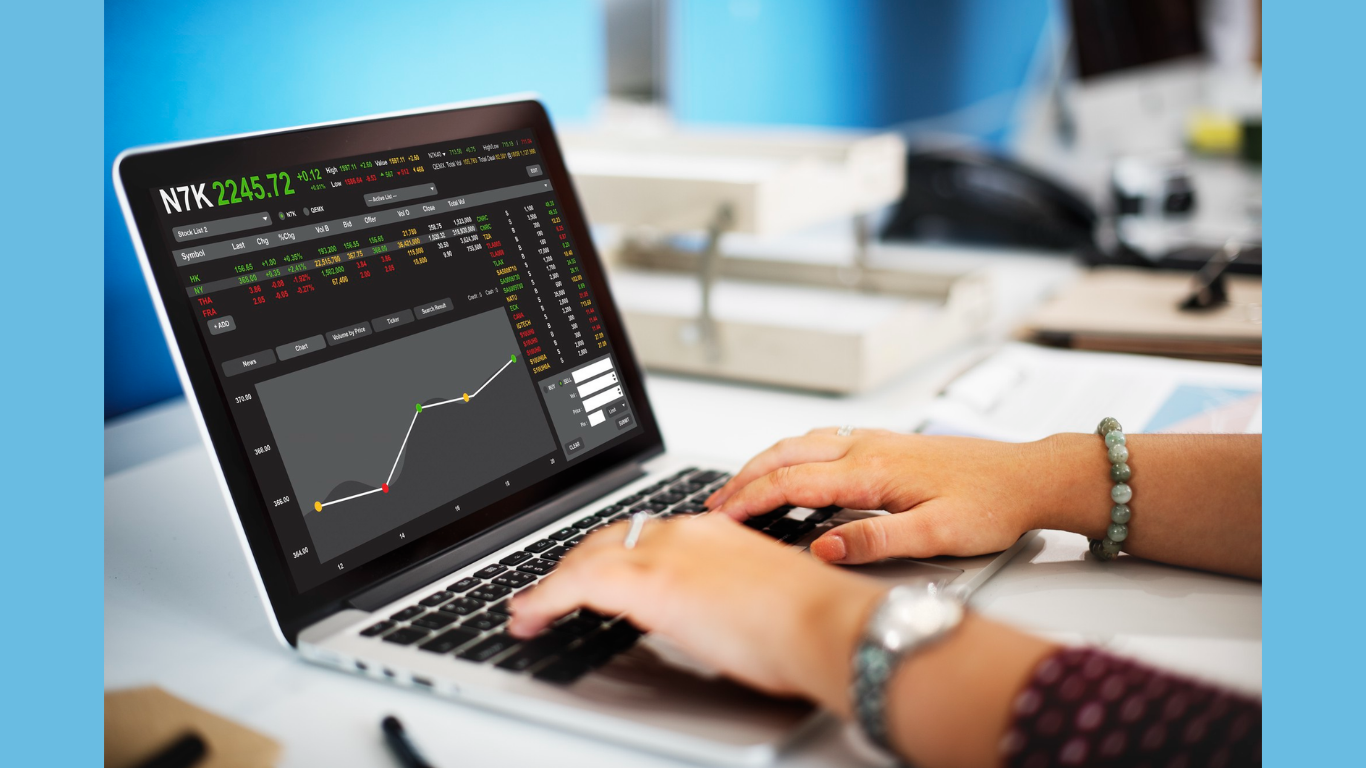
Don’t make the mistake of trusting a random broker you found through ads on social media. You have to invest your money, so you need a trustworthy person. Novice traders often start trading without doing the basic homework.
They are attracted by a compelling website and high-leverage offers. People sign up straight off the bat. The outcome is often disappointment and restricted trading accounts. Beginners face unexpected losses that aren’t related to trading expertise.
You need a clever vetting system before putting your hard-earned cash on the line. Let’s help you distinguish trustworthy brokers from unreliable ones.
Start With Regulation
First of all, check the regulations. A regulated broker will be required to adhere to regulations established by a financial authority. These rules help protect your money and hold the broker accountable.
Check the licenses from organizations such as FCA (UK), CySEC (Cyprus), ASIC (Australia), or the NFA (US). The rules for capital requirements and fund protection are different for each.
You can find brokers who have licenses from authorities of multiple countries, but they work as an offshore entity. Offshore arms often have lighter oversight. You should check the entity that you sign up with rather than trusting the brand name.
Segregated Client Funds
A reputable and experienced broker will not mix up your money with anyone else’s. They keep client money separate from their business funds. This is known as fund segregation. It protects you if your broker gets into financial trouble. He cannot use your money for his trades.
Check the Trading Types and Costs
Not every brokerage welcomes all types of trading. Some companies encourage short-term traders and algorithmic traders, while others outright prohibit them.
When traders want to open and close trades within a few minutes, they need to read the broker’s terms of service carefully.
Some market leaders prohibit scalping, or you may be restricted in terms of how close your pending orders can be to the market price. Some brokers place restrictions on certain high-frequency or short-term trading strategies, so always review their execution and trading policies.
The cost of trading can take a huge percentage of your profits. You should evaluate:
- Spreads on the currency pairs you plan to trade
- Commission fees per lot, if any
- Overnight swap fees for holding positions
- Deposit and withdrawal costs
A broker with tight spreads but slow withdrawals is not recommended. Compare the full cost picture instead of the headline spread number.
Try Out the Trading Platform
Your platform will be where you spend hours each week. It should be reliable and user-friendly. The majority of brokers use either MetaTrader 4 or 5, or they have their own platform.
Start trading on a demo account to understand order execution and the basic tools. The same thing goes for the performance of the platform: if it performs poorly on demo, it may do the same with real money.
A lot of traders also read charts and perform trades on their mobile phones. Ensure that the broker’s mobile application is also effective and responsive during peak market hours. You should understand how your broker structures its accounts and fees.
Review Customer Support
Issues may arise at any hour in a market that’s open 24 hours a day. The finest customer service should be available via live chat, email, and phone in your native language.
Send a test question via live chat before signing up. Check their response time and whether the response offers a solution to your problem. If they take too long to reply or are not direct, it is a red flag.
Read Independent Reviews
Any business website will sound positive about itself. Real traders’ independent reviews provide a fuller picture. Don’t believe one positive or one negative review, but watch for trends among numerous reviews.
Look for reports of delays in withdrawing. Withdrawal delays are among the most frequently mentioned and most frustrating problems traders say they have with lousy brokers.
Test the Withdrawal Process
If a broker makes it easy for you to deposit but withdrawals are difficult, it’s a warning sign. Read the withdrawal policy carefully before opening a live account.
Check for:
- Processing time frames
- Minimum withdrawal amounts
- The charges levied on each withdrawal
- Accepted payment methods
The best test of any broker comes on the day you ask for a withdrawal. Depositing money may take only a few seconds by credit card or electronic wallet. Sometimes, getting that money back can turn into a bureaucratic nightmare.
Some companies create endless ways to verify your identity just when you’re looking to pull out your profits. They request copies of bills, bank statements, and selfie verification, which can take weeks to process.
A reliable company verifies identity during the registration process and completes the withdrawal process in a short time.
Compare Before You Commit
Don’t just go with the first broker you come across. Always compare multiple options based on cost, regulation, and platform quality. Resources on the internet allow you to filter brokers based on regulation or type of account, thus saving research time.
For example, a detailed Exness Review breaks down a broker’s regulation, spreads, and withdrawal process in one place. It gives you a template for what to check when you evaluate any other name on your shortlist.
After you’ve whittled down your broker list to just 2 or 3, open demo accounts with each. A useful way to get familiar with the platforms is to demo trade for a few weeks.
Before You Go Live: Important Checks
Let’s review this brief list again before you put real money down:
- Check the regulatory status of the actual broker entity with which you are trading.
- Look at spreads, commissions, and swap fees for typical trades.
- Try out the platform on demo, including on mobile.
- Check out recent unbiased reviews.
- Make sure you understand all the rules for depositing and withdrawing.
Wrap Up
You should not make the decision of selecting a broker within a few minutes. This process requires deep research from user forums and asking fellow traders. It will impact the trading setup, including your profit margin, the platform quality, and support. Don’t forget to start with demo trades before you invest your money. These simple tricks eliminate stress later on.
Blog received via e-mail