
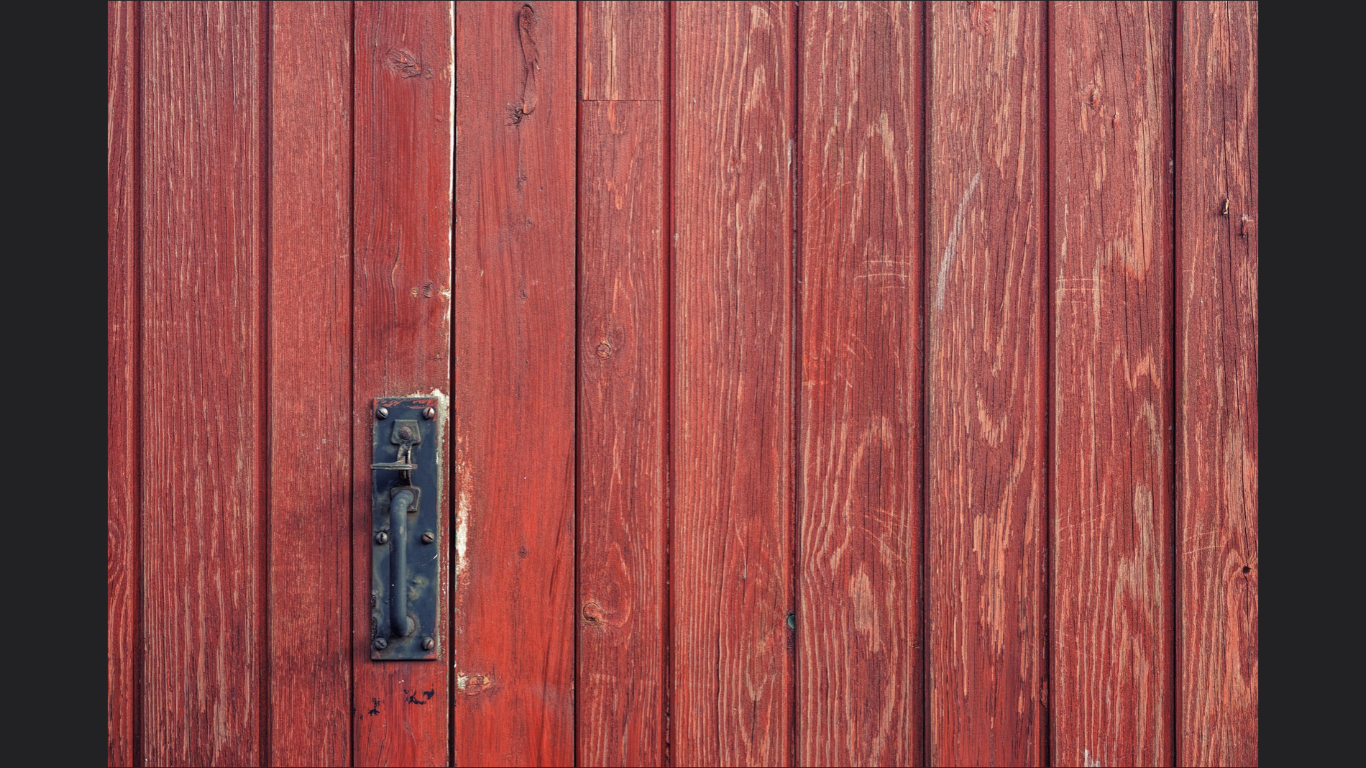
The Architectural Appeal of Sliding Systems
Sliding barn doors have transitioned from functional rural necessities to sophisticated interior design staples. Their popularity stems from a unique ability to save space while serving as a massive piece of functional art. Unlike traditional swing doors, which require a significant radius of clear floor space to operate, a sliding door glides parallel to the wall. This makes them ideal for tight hallways, small bedrooms, or en suite bathrooms where every square inch matters.
Beyond the practical space saving benefits, these doors introduce a tactile, organic element to modern homes. They break up the monotony of flat drywall and standard casings. When you choose a high quality provider like Dusty’s Rustic Rolling Doors, you are not just buying a door but investing in a focal point that anchors the room. The visual weight of a solid wood door paired with industrial steel hardware creates a contrast that fits equally well in a minimalist loft or a traditional farmhouse.
Assessing Your Wall Space and Structural Integrity
Before you purchase a door or even pick out a finish, you must evaluate the physical environment where the door will live. The most critical requirement for a sliding barn door is adjacent wall space. For a single door to open fully, you need a section of wall next to the opening that is at least as wide as the door itself. Many homeowners overlook light switches, electrical outlets, or thermostats that might be covered when the door is in the open position.
Structural support is the second pillar of a successful installation. A solid wood barn door can weigh anywhere from 80 to 200 pounds. You cannot simply screw the track into drywall using plastic anchors. The track must be secured into the wall studs or a solid header board. If your studs do not align perfectly with the pre-drilled holes in your hardware track, installing a header board is the most reliable solution. A header board is a sturdy piece of timber fastened directly to the studs, providing a continuous solid surface to mount the track. This is a standard recommendation from the experts at Dusty’s Rustic Rolling Doors to ensure the safety and longevity of the installation.
Evaluating Stud Placement
1. Use a high quality stud finder to locate the vertical supports behind your drywall.
2. Mark the center of each stud to ensure maximum screw engagement.
3. Check for any plumbing or electrical lines that might be running behind the wall before drilling.
Measuring for the Perfect Fit
Measuring for a sliding door is fundamentally different than measuring for a standard pre hung door. To ensure total privacy and eliminate unsightly gaps, the door must be slightly larger than the opening it covers. A good rule of thumb is to add at least two inches of width to each side of the opening. For example, if your doorway is 36 inches wide, your door should be at least 40 inches wide.
Height is equally important. You need to account for the gap between the bottom of the door and the floor, which is typically around half an inch. You also need to ensure there is enough clearance above the door frame for the track and the rollers. Most hardware systems require at least six to ten inches of space between the top of the door casing and the ceiling or crown molding. When planning your Step-by-Step: What You Need to Know Before Installing Sliding Barn Doors project, consulting with a professional at Dusty’s Rustic Rolling Doors can help you avoid the common mistake of ordering a slab that is too short to cover the trim.
Selecting the Right Hardware for Longevity
The hardware is the engine of your door system. While the door slab provides the beauty, the track and rollers provide the function. There are several styles of hardware to consider, ranging from the classic J strap to top mount rollers and even hidden tracks for a more contemporary look. The material of the rollers is also a significant factor. Nylon rollers offer a whisper quiet operation, while steel rollers provide a more industrial aesthetic and can handle significantly heavier loads.
Quality hardware kits should include an anti jump system, which consists of small discs or blocks that prevent the door from being lifted off the track accidentally. Floor guides are another essential component. These small brackets keep the door from swinging outward away from the wall, protecting both the door and your baseboards. High end kits, such as those offered by Dusty’s Rustic Rolling Doors, often include soft close mechanisms. These prevent the door from slamming into the stops, reducing wear and tear on the entire system and preventing pinched fingers.
Material Choices and Aesthetic Considerations
The material you choose for your door will dictate the mood of the room. Reclaimed wood offers a sense of history and warmth, featuring knots, nail holes, and natural weathering that cannot be replicated by new lumber. For those seeking a cleaner look, alder or maple can be stained to match existing cabinetry or painted to provide a pop of color against a neutral wall.
Popular Material Options
1. Reclaimed Pine: Light weight with heavy character and deep grain patterns.
2. White Oak: Extremely durable and takes stains beautifully for a high end finish.
3. Metal and Glass: Perfect for modern industrial spaces where light transmission is a priority.
4. Engineered Wood: A budget friendly option that resists warping in high humidity areas like bathrooms.
Consider how the door looks from both sides. Unlike a swing door, one side of a barn door will be visible to the room it faces, while the other side is often tucked against the wall. Ensure the finish is consistent and that any decorative bracing is present on the side that will be most visible.
Privacy and Sound Dampening Realities
One of the most frequent questions regarding barn doors involves privacy. Because the door sits off the wall to allow for movement, there will always be a small gap between the door and the casing. This means that barn doors do not provide the same level of acoustic sealing as a traditional door. For a master bedroom or a home office where complete silence is required, this is a vital consideration.
To mitigate this, you can install a door that is significantly wider than the opening to increase the overlap. You can also use weather stripping or brush sweeps on the back of the door to close the gap without creating friction against the wall. For bathrooms, choosing a solid core door will help with sound insulation more effectively than a hollow core alternative. If you are concerned about the gap, the design team at Dusty’s Rustic Rolling Doors can suggest specific hardware offsets that keep the door as flush to the wall as possible.
The Installation Process and Common Pitfalls
Installation requires patience and precision. The most critical step is ensuring the track is perfectly level. Even a slight tilt will cause the door to drift open or closed on its own, which can be incredibly frustrating. Use a long level, preferably four feet or longer, to check the track during every step of the process.
Common Installation Mistakes to Avoid
1. Failing to account for the thickness of the baseboards, which can cause the door to rub or get stuck.
2. Using screws that are too short to penetrate deep into the structural framing.
3. Forgetting to install the floor guide, leading to a door that wobbles and feels unstable.
4. Mounting the track too low, resulting in a door that scrapes the floor.
If you encounter a situation where the door hits the trim around the opening, you may need to use spacers or a thicker header board to move the track further away from the wall. This is a common adjustment that ensures the door clears all obstacles during its travel.
Maintenance for Smooth Operation
A well-installed barn door requires minimal maintenance. Check track bolts and rollers annually, clean dust and debris from the track, and apply silicone-based lubricant to the bearings for smooth operation. For solid wood doors, allow sufficient bottom clearance to accommodate seasonal expansion and contraction and prevent dragging.
Embracing the Transformation of Your Living Space
Installing a sliding barn door enhances your home’s style, improves room flow, and saves space. With precise measurements, sturdy hardware, and quality materials, you can create a durable feature that complements rustic or modern interiors while adding long-term value to your home.
Blog received via e-mail