Material selection in commercial architecture is a critical driver of both immediate construction costs and long term economic performance. Decisions about building materials influence operational budgets, maintenance strategies, and the overall value of an asset over its lifecycle. A thorough understanding of these dynamics enables stakeholders to make choices that balance function, aesthetics, and financial outcomes.
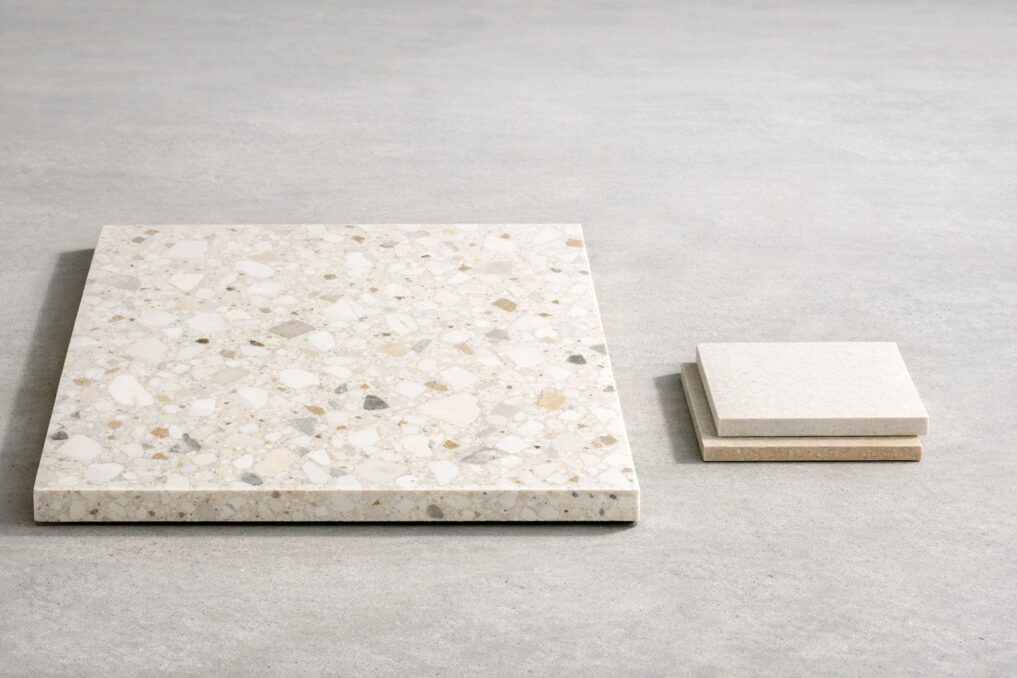
For developers and owners, the decision-making process extends beyond the visual appeal of materials to encompass measurable impacts on project economics. The Architectural Terrazzo range, available on Agglotechs website, exemplifies the renewed focus on products that address both performance and cost efficiency in today’s commercial environments. Aligning material specifications with business objectives helps optimize initial investment while ensuring the long term resilience and value of the building.
How material decisions affect overall project costs
Material choices in commercial architecture have a direct influence on both capital expenditure and ongoing operational expenses. Selecting materials that prioritize durability and functionality can lower the frequency of maintenance interventions and reduce replacement needs over a building’s lifetime.
Stakeholders must consider not only upfront acquisition costs but also the cumulative expenses associated with cleaning, repairs, and periodic upgrades. By analyzing total cost of ownership, project teams can compare potential options using objective performance data and long term financial implications, which is crucial for budget planning and risk management.
The relationship between material specifications and project budgets extends to indirect costs that are often overlooked during initial planning phases. Energy consumption, for instance, can be influenced by the thermal properties of flooring and wall materials, affecting heating and cooling expenses throughout the building’s operational life. Materials with high thermal mass may contribute to temperature regulation, reducing reliance on mechanical systems and lowering utility bills. Similarly, the choice of finishes can impact lighting requirements, as reflective surfaces may enhance natural light distribution and reduce artificial lighting needs. By incorporating these considerations into the material selection process, project teams can identify opportunities for cost savings that compound over time, improving the overall return on investment and enhancing the building’s competitive position in the market.
The role of durability and maintenance in value retention
Durability is an essential factor in determining the economic viability of commercial spaces, especially those with high foot traffic or exposure to demanding conditions. Material failures or visible wear can drive up future refurbishment spending, affecting the building’s capacity to attract and retain tenants.
Sensible material selection reduces the need for disruptive repairs or frequent replacements that might interfere with business continuity. Facilities that prioritize robust and easy-to-maintain surfaces typically benefit from extended useful life and minimized total costs, while maintaining appeal and safety standards required in commercial settings.
Balancing compliance, adaptability, and supply chain considerations
Compliance with industry standards and building codes is another key determinant of economic outcomes in material selection. Materials that meet or surpass requirements for slip resistance, air quality, and safety can help reduce insurance costs and mitigate legal exposures.
Adaptability is increasingly important as commercial spaces may need to be reconfigured or repurposed in response to changing business needs. Flexible material systems can simplify refurbishment, saving both time and money at the end of the asset’s life cycle. Early evaluation of supply chain reliability and lead times ensures a smooth construction process, minimizing risks of costly delays or disruptions to revenue generation.
Optimizing procurement for long term asset value
Strategic procurement decisions, guided by structured evaluation frameworks, allow project teams to align building materials with broader investment objectives. Comparing products based on measurable criteria such as longevity, maintenance requirements, and impact on resale or lease value supports informed and transparent decision-making.
Focusing on the economic impact of material choices remains fundamental as the industry prioritizes projects that achieve both financial efficiency and operational excellence. This approach helps ensure commercial assets remain resilient, adaptable, and valuable throughout their lifespan.
Article received via email