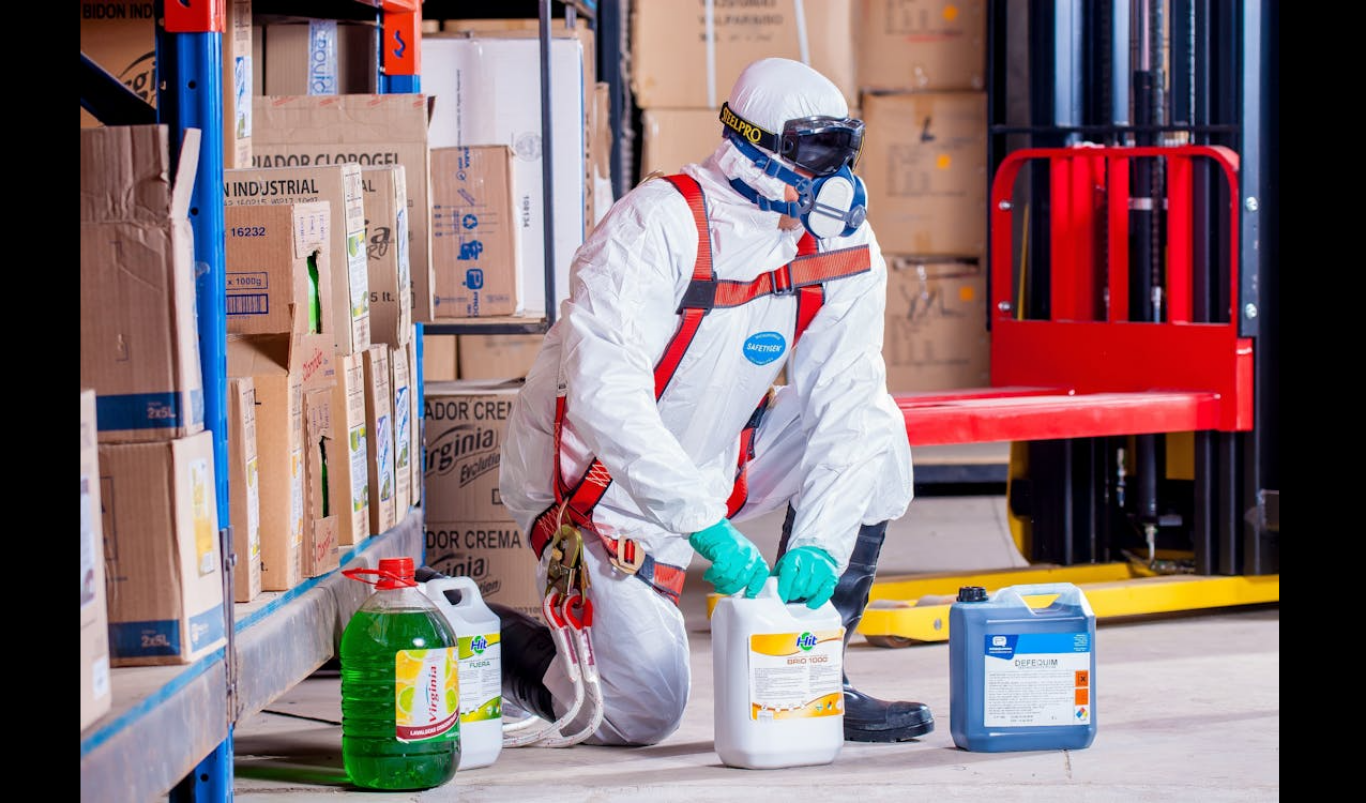
Is your business ready to respond to an environmental emergency before it results in a financial and reputational disaster? Environmental incidents such as oil spills, hazardous materials leaks, or contamination by chemicals continue to increase in expense and visibility.
According to the International Chamber of Shipping, environmental incidents can cost millions of dollars in cleanup, legal penalties, and operational losses. The real issue for businesses across industries is not just the incident itself, but the speed and effectiveness of the response.
They are investing in environmental preparedness and rapid response solutions. Here are some reasons why rapid environmental response has become a business priority.
Environmental Emergencies Can Disrupt Entire Operations
Environmental emergencies are now seen as part of global society’s infrastructure and not just as isolated incidents. Business operations can be disrupted within hours of an occurrence.
A single environmental incident (spill, leak, or contamination) can disrupt business operations in the following ways:
- Halting production
- Closing transportation routes
- Delaying deliveries
- Interrupting supply chain processes
A relatively small environmental incident that goes unresolved can escalate into numerous problems unless there is a timely response. The impact of lost production, damaged assets and equipment, delayed shipping, and clean-up costs can cause financial strain on a firm.
Regulatory Expectations Continue to Grow
Governments and environmental agencies are tightening regulations on pollution prevention and emergency response. Companies in logistics, transportation, construction, manufacturing, and energy must enhance their environmental response plans.
Regulatory agencies have many requirements including but not limited to, written procedures, employee training, and providing spill containment resources. They also have to report all incidents immediately to ensure compliance.
Failing to respond effectively to environmental incidents can lead to significant fines, operational restrictions, and legal issues for organizations. Many organizations have partnered with companies that specialize in emergency oil cleanup and environmental remediation.
Specialized firms swiftly deploy trained personnel and advanced technology to manage crises, minimizing ecological damage and ensuring regulatory compliance. Collaborating with experts helps organizations protect their reputation and financial interests during challenges.
Public Trust Is Increasingly Tied to Environmental Responsibility
Consumers and investors are becoming increasingly aware of the way businesses manage environmental issues. A company’s emergency oil spill response can shape the public’s view of that company for a long time.
If companies take too much time to respond, or if their reactions are uncoordinated, the public’s trust may disappear quickly. The speed with which negative media and social media report on an issue can ruin a company’s reputation as a result of lost customer confidence.
If companies respond quickly and transparently, they will be seen as more responsible than competitors. A business that swiftly addresses issues and communicates clearly demonstrates a strong commitment to environmental protection.
The Long Term Financial Impacts of Environmental Emergencies
Environmental emergencies can lead to significant long-term financial consequences beyond immediate clean-up costs. Businesses often face revenue losses due to operational downtime, especially when facilities are damaged.
Such incidents can disrupt supply chains, delay deliveries, and increase operational costs, while regulatory fines and rising insurance premiums add financial pressure. Legal expenses may also escalate if lawsuits arise from affected communities or stakeholders.
A company’s reputation can suffer, impacting customer retention and business opportunities. For publicly traded firms, such incidents may result in declining stock performance as investor confidence wanes, reflecting poor risk management and reducing trust in long term stability.
Preparedness Will Be Part of Overall Risk Management Strategies
Businesses are incorporating environmental response planning into their risk management plans and corporate risk management strategies. Many are taking proactive measures to prepare for potential environmental emergencies instead of waiting for them to occur.
Preparedness allows organizations to respond faster and make better decisions in high pressure situations. When businesses are equipped to handle emergencies, they tend to feel more confidence in their abilities as opposed to scrambling to respond during the emergency.
Strategic Readiness as a Competitive Advantage
Responding rapidly to environmental emergencies has now become much more than a compliance requirement. It is now considered a top priority for businesses because it impacts operations, finances, reputation, and long-term viability.
Businesses are recognizing that, as the number of environmental risks continues to grow, preparedness, speed of response, and having specialized emergency response support are all very valuable. They can help businesses prepare for the event of an emergency.
Businesses can minimize interruptions and recover quickly from emergencies by investing in training, planning, monitoring systems, and partnerships. Prompt response to environmental emergencies is key to long-term success.
Article received via email